


How Does Using PO Recycled Pellets Contribute to a Circular Economy?
Release Time : 2026-04-08
The transition from a linear economic model to a circular economy represents one of the most significant industrial shifts of the twenty-first century. For decades, the global manufacturing standard followed a "take-make-dispose" trajectory, where raw materials were extracted, transformed into products, and eventually discarded as waste. This approach has led to resource depletion, environmental degradation, and massive accumulation of plastic waste. At the heart of the solution to this crisis lies the utilization of Polyolefin (PO) recycled pellets. Polyolefins, which include polyethylene (PE) and polypropylene (PP), are the most widely used plastics in the world. By transforming post-consumer and post-industrial PO waste into high-quality recycled pellets, industries can close the material loop, effectively decoupling economic activity from the consumption of finite resources.
The fundamental contribution of PO recycled pellets to a circular economy is the conservation of natural resources and the reduction of carbon emissions. Traditionally, the production of virgin polyolefins requires the extraction and refining of fossil fuels, primarily oil and natural gas. This process is energy-intensive and contributes significantly to greenhouse gas emissions. In contrast, the production of recycled pellets utilizes existing plastic waste as a feedstock. By substituting virgin resin with recycled PO pellets, manufacturers can drastically reduce their reliance on fossil fuel extraction. Studies indicate that producing recycled plastic requires significantly less energy than producing virgin plastic, leading to a substantial reduction in the overall carbon footprint of the final product. This shift transforms plastic from a disposable commodity into a valuable, reusable asset, keeping materials in circulation for as long as possible.
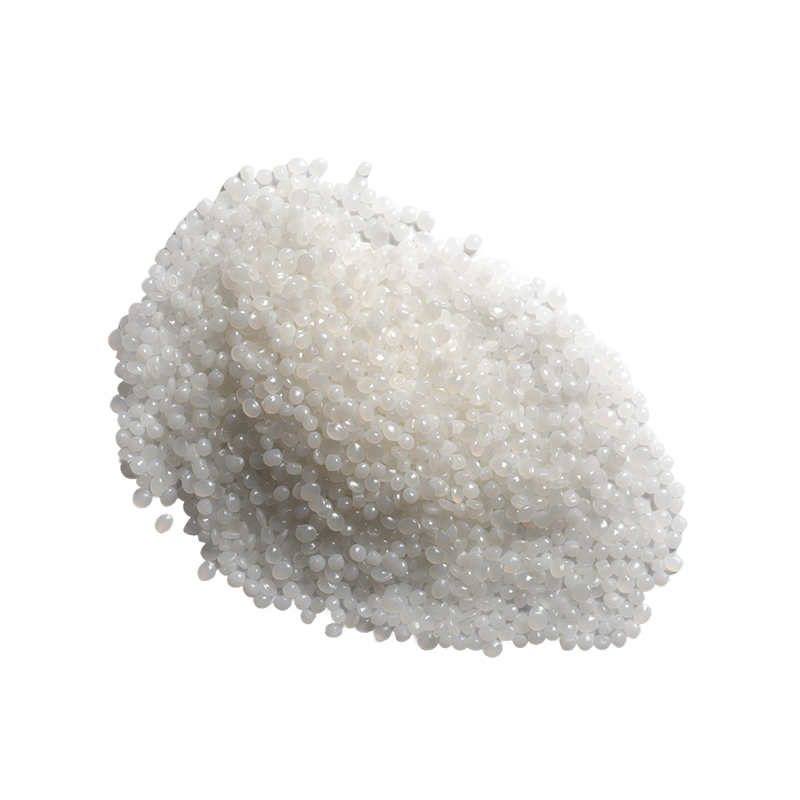
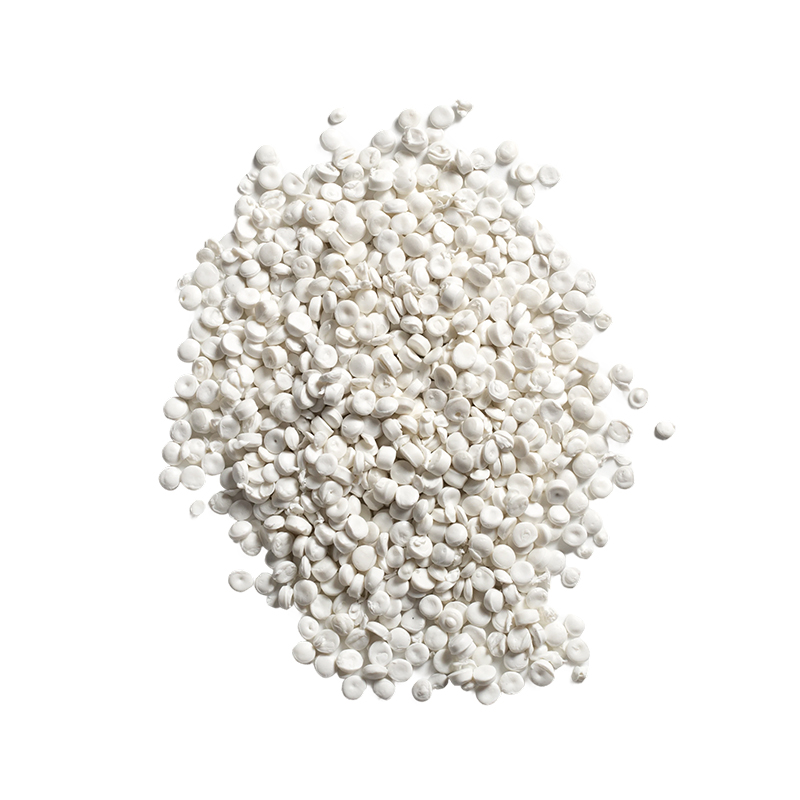
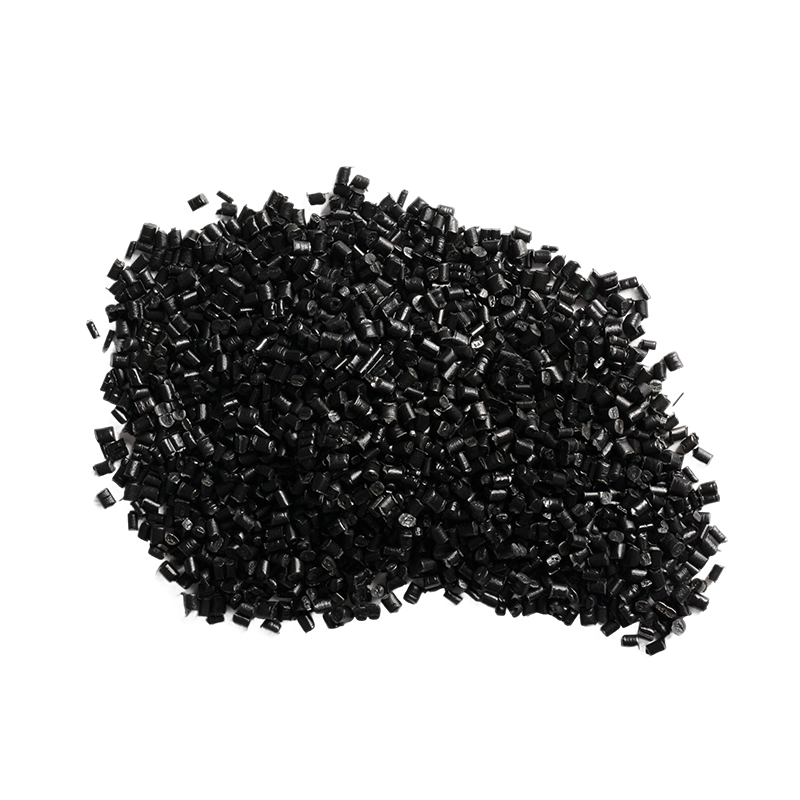
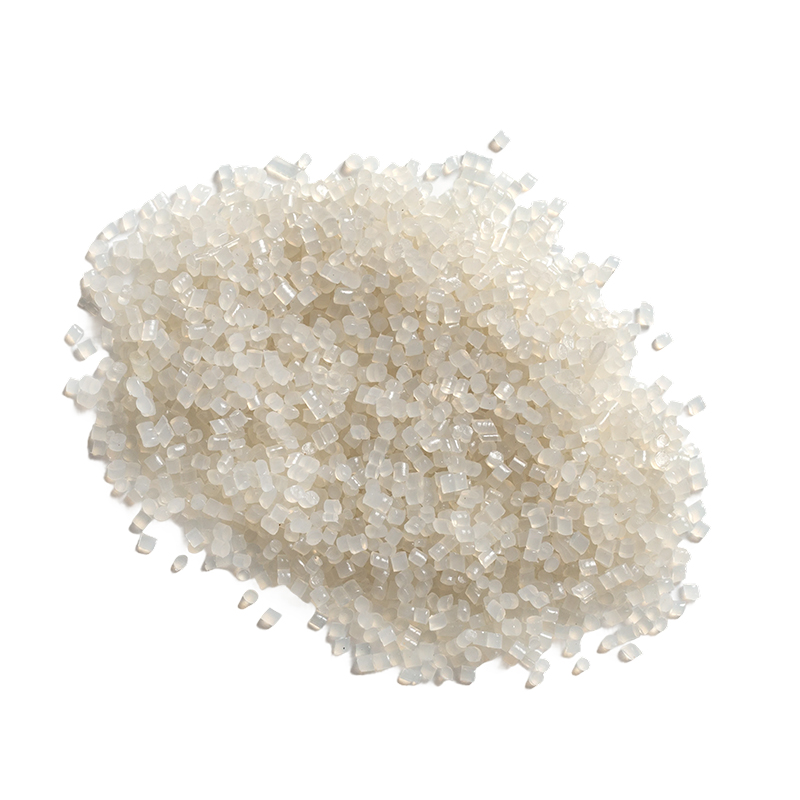
Technological advancements in recycling processes have been pivotal in enhancing the viability of PO recycled pellets within a circular framework. The journey of a PO pellet begins with the collection and rigorous sorting of waste materials, such as milk jugs, detergent bottles, and packaging films. Advanced sorting technologies, including near-infrared spectroscopy and AI-driven visual recognition, ensure that different polymer types are separated with high precision, preventing contamination that could compromise the quality of the recycled output. Following sorting, the materials undergo thorough washing to remove labels, adhesives, and organic residues. The cleaned plastic is then shredded, melted, and extruded through filtration systems to remove impurities. The result is a uniform, high-purity pellet that serves as a reliable raw material for new manufacturing processes, mirroring the consistency of virgin materials.
The application of PO recycled pellets spans a diverse range of industries, demonstrating the versatility required for a robust circular economy. In the packaging sector, which is the largest consumer of polyolefins, recycled pellets are increasingly used to manufacture new bottles, containers, and films. This creates a closed-loop system where a shampoo bottle can be recycled and reborn as a new bottle, reducing the need for new plastic production. Beyond packaging, the construction industry utilizes recycled PO pellets to produce durable pipes, insulation, and waterproofing membranes, where the material's resistance to moisture and chemicals is highly valued. Furthermore, the automotive sector incorporates these pellets into non-structural components like bumpers and interior trims to reduce vehicle weight and improve fuel efficiency. This cross-industry applicability ensures that recycled polyolefins remain in the economic cycle, preventing them from entering landfills or the natural environment.
However, the successful integration of PO recycled pellets into a circular economy is not without its challenges. One of the primary hurdles is maintaining the mechanical properties of the plastic through multiple lifecycles. Each time plastic is melted and reprocessed, its polymer chains can degrade, potentially reducing its strength and flexibility. To mitigate this, manufacturers employ advanced compounding techniques and additives that restore the material's integrity, ensuring that the recycled pellets meet the stringent performance standards required for demanding applications. Additionally, the issue of food-grade certification remains a critical focus area. Innovations in super-cleaning technologies and decontamination processes are enabling the production of recycled PO pellets that are safe for food contact, thereby expanding the potential market and closing the loop on food packaging.
Economic incentives and regulatory frameworks also play a crucial role in driving the adoption of PO recycled pellets. Governments worldwide are implementing stricter regulations regarding single-use plastics and mandating minimum recycled content in new products. These policies create a guaranteed market demand for recycled materials, encouraging investment in recycling infrastructure. Moreover, as the cost of virgin plastic fluctuates with the volatility of the oil market, recycled pellets often offer a more stable and cost-effective alternative. Companies that integrate recycled content into their supply chains not only mitigate regulatory risks but also enhance their brand reputation by demonstrating a commitment to sustainability. This economic viability is essential for the circular economy to function independently of subsidies and grants.
Ultimately, the use of PO recycled pellets is more than just a waste management strategy; it is a cornerstone of sustainable industrial design. It represents a fundamental rethinking of value, where waste is viewed not as a liability but as a resource waiting to be unlocked. By prioritizing the collection, processing, and reintegration of polyolefins, society can move towards a regenerative model where materials are kept in use, natural systems are preserved, and economic growth is sustained without environmental compromise. As technology continues to evolve and global cooperation strengthens, the role of PO recycled pellets will only expand, paving the way for a future where the concept of "waste" is effectively designed out of existence.
The fundamental contribution of PO recycled pellets to a circular economy is the conservation of natural resources and the reduction of carbon emissions. Traditionally, the production of virgin polyolefins requires the extraction and refining of fossil fuels, primarily oil and natural gas. This process is energy-intensive and contributes significantly to greenhouse gas emissions. In contrast, the production of recycled pellets utilizes existing plastic waste as a feedstock. By substituting virgin resin with recycled PO pellets, manufacturers can drastically reduce their reliance on fossil fuel extraction. Studies indicate that producing recycled plastic requires significantly less energy than producing virgin plastic, leading to a substantial reduction in the overall carbon footprint of the final product. This shift transforms plastic from a disposable commodity into a valuable, reusable asset, keeping materials in circulation for as long as possible.
Technological advancements in recycling processes have been pivotal in enhancing the viability of PO recycled pellets within a circular framework. The journey of a PO pellet begins with the collection and rigorous sorting of waste materials, such as milk jugs, detergent bottles, and packaging films. Advanced sorting technologies, including near-infrared spectroscopy and AI-driven visual recognition, ensure that different polymer types are separated with high precision, preventing contamination that could compromise the quality of the recycled output. Following sorting, the materials undergo thorough washing to remove labels, adhesives, and organic residues. The cleaned plastic is then shredded, melted, and extruded through filtration systems to remove impurities. The result is a uniform, high-purity pellet that serves as a reliable raw material for new manufacturing processes, mirroring the consistency of virgin materials.
The application of PO recycled pellets spans a diverse range of industries, demonstrating the versatility required for a robust circular economy. In the packaging sector, which is the largest consumer of polyolefins, recycled pellets are increasingly used to manufacture new bottles, containers, and films. This creates a closed-loop system where a shampoo bottle can be recycled and reborn as a new bottle, reducing the need for new plastic production. Beyond packaging, the construction industry utilizes recycled PO pellets to produce durable pipes, insulation, and waterproofing membranes, where the material's resistance to moisture and chemicals is highly valued. Furthermore, the automotive sector incorporates these pellets into non-structural components like bumpers and interior trims to reduce vehicle weight and improve fuel efficiency. This cross-industry applicability ensures that recycled polyolefins remain in the economic cycle, preventing them from entering landfills or the natural environment.
However, the successful integration of PO recycled pellets into a circular economy is not without its challenges. One of the primary hurdles is maintaining the mechanical properties of the plastic through multiple lifecycles. Each time plastic is melted and reprocessed, its polymer chains can degrade, potentially reducing its strength and flexibility. To mitigate this, manufacturers employ advanced compounding techniques and additives that restore the material's integrity, ensuring that the recycled pellets meet the stringent performance standards required for demanding applications. Additionally, the issue of food-grade certification remains a critical focus area. Innovations in super-cleaning technologies and decontamination processes are enabling the production of recycled PO pellets that are safe for food contact, thereby expanding the potential market and closing the loop on food packaging.
Economic incentives and regulatory frameworks also play a crucial role in driving the adoption of PO recycled pellets. Governments worldwide are implementing stricter regulations regarding single-use plastics and mandating minimum recycled content in new products. These policies create a guaranteed market demand for recycled materials, encouraging investment in recycling infrastructure. Moreover, as the cost of virgin plastic fluctuates with the volatility of the oil market, recycled pellets often offer a more stable and cost-effective alternative. Companies that integrate recycled content into their supply chains not only mitigate regulatory risks but also enhance their brand reputation by demonstrating a commitment to sustainability. This economic viability is essential for the circular economy to function independently of subsidies and grants.
Ultimately, the use of PO recycled pellets is more than just a waste management strategy; it is a cornerstone of sustainable industrial design. It represents a fundamental rethinking of value, where waste is viewed not as a liability but as a resource waiting to be unlocked. By prioritizing the collection, processing, and reintegration of polyolefins, society can move towards a regenerative model where materials are kept in use, natural systems are preserved, and economic growth is sustained without environmental compromise. As technology continues to evolve and global cooperation strengthens, the role of PO recycled pellets will only expand, paving the way for a future where the concept of "waste" is effectively designed out of existence.