


How are PP recycled pellets reshaping the future of green manufacturing?
Release Time : 2026-03-24
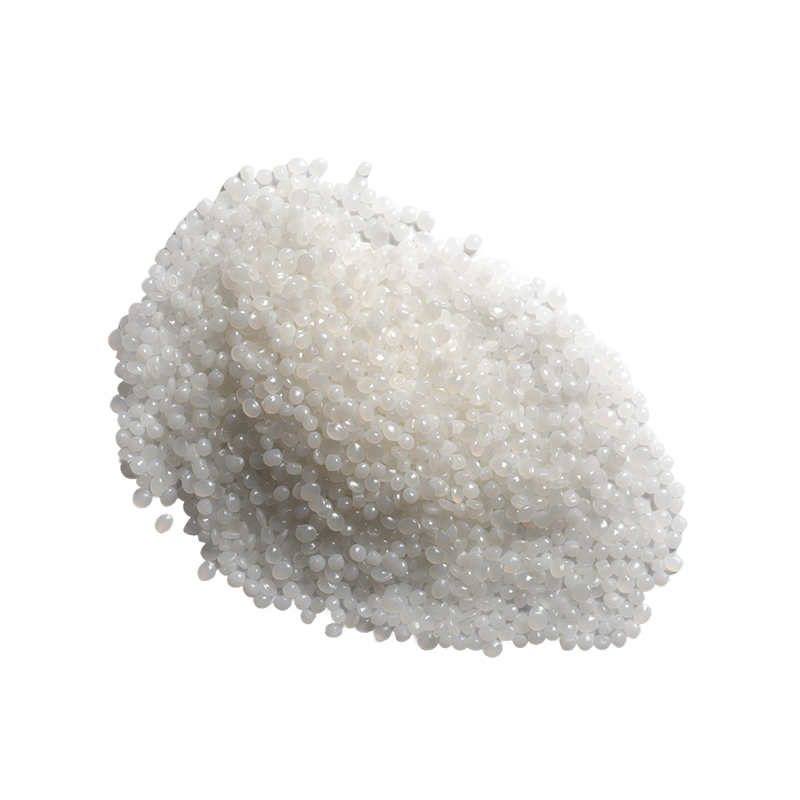
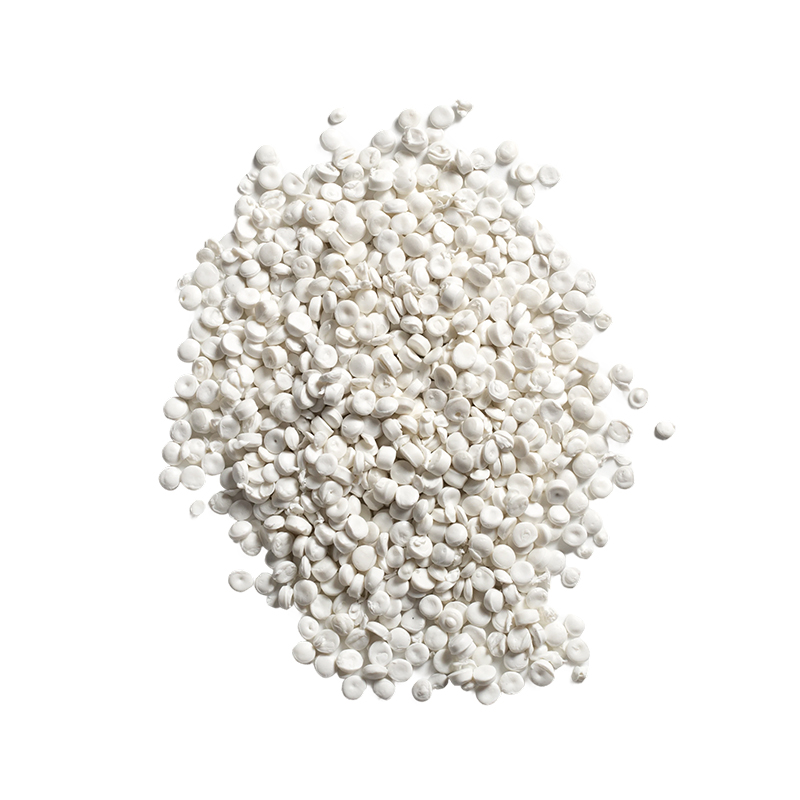
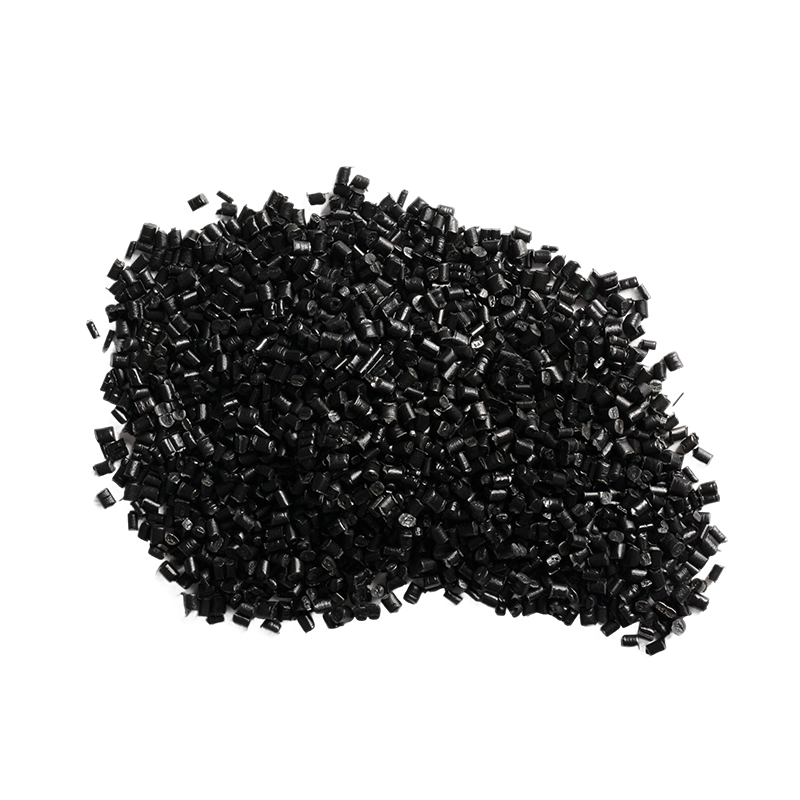
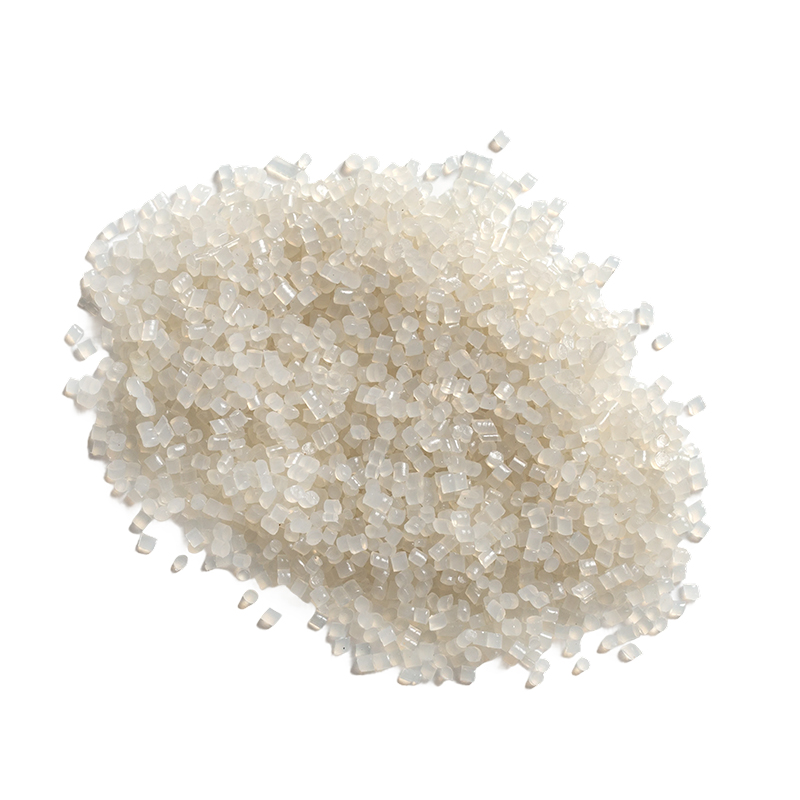
In today's world of increasingly scarce resources and rising environmental awareness, plastic recycling has become a core issue in the transformation of global manufacturing. As a key raw material in the circular economy, recycled polypropylene pellets are quietly changing the production model of the traditional plastics industry with their superior processing performance and significant environmental value. This recycled material, made from waste polypropylene products through rigorous screening, cleaning, melt granulation, and pelletizing, not only retains most of the excellent properties of virgin materials but also demonstrates remarkable adaptability and efficiency in molding processes such as injection molding, extrusion, and blow molding, becoming a significant force driving the green manufacturing wave.
The most notable advantage of PP recycled pellets lies in their excellent flowability and ease of molding. In injection molding, good flowability means that the melt can quickly and evenly fill every corner of the mold, easily molding even complex, unevenly thick precision parts. This characteristic significantly reduces the defect rate caused by underfilling or flow marks, ensuring a smooth product appearance and dimensional accuracy. Meanwhile, its excellent flow properties allow for appropriately lower processing temperatures, reducing energy consumption and preventing damage to the material's molecular chains from high temperatures, thus maintaining the mechanical strength of the finished product. For modern factories pursuing high efficiency, this translates to faster production cycles and higher output ratios.
The significantly shortened molding cycle is another key factor in the increased production efficiency of PP recycled pellets. Due to its good thermal stability and rapid cooling and setting speed, injection molding machines or extruders can enter the next cycle more quickly after completing one injection or extrusion. In blow molding processes, this material also performs exceptionally well, rapidly forming uniform preforms and quickly cooling and demolding, greatly increasing the production speed of hollow containers. The direct result of the short cycle time is a surge in output per unit time, which not only reduces fixed costs but also allows companies to respond quickly to market fluctuations and flexibly adjust production plans. Whether producing everyday storage boxes and turnover baskets or manufacturing automotive interior parts and appliance casings, PP recycled pellets can push production efficiency to new heights while ensuring quality.
Beyond its superior processing performance, the application of PP recycled pellets also carries profound ecological significance. Every ton of recycled pellets used translates to a reduction in oil consumption and carbon emissions. By transforming discarded woven bags, packing straps, and household goods into high-value industrial raw materials, we have successfully turned "waste" into "resource," building a closed-loop green supply chain. This material is widely used in packaging, construction, automotive, textiles, and other fields, producing durable products that fully meet the needs of various applications. With advancements in modification technology, the color, odor, and mechanical properties of recycled PP have been greatly improved, even rivaling virgin materials in certain specific indicators, breaking the market's stereotype of recycled materials as "low-quality and low-price."
In terms of cost control, PP recycled pellets offer companies a highly competitive solution. Compared to the volatile and increasingly expensive virgin polypropylene, recycled pellets have a significant price advantage, significantly reducing raw material procurement costs. Combined with energy savings and reduced scrap rates resulting from its efficient processing characteristics, companies' overall production costs are further optimized. This win-win situation of economic and environmental benefits is encouraging more and more manufacturers to proactively embrace recycled materials and incorporate them into their core procurement strategies.
Looking to the future, PP recycled pellets will occupy an even more central position in the landscape of green manufacturing. With the refinement of recycling and sorting technologies and the intelligentization of pelleting processes, the quality of recycled materials will become more stable and uniform, and their application areas will continue to expand. It is no longer merely a synonym for alternatives, but has become a symbol of sustainable development and innovative design. From simple daily necessities to high-end industrial components, PP recycled pellets are reshaping the future of the plastics industry with their smooth processing experience and efficient molding capabilities, making every injection molding, extrusion, and blow molding a heartfelt protection of our planet, and propelling human society steadily towards a resource-saving and environmentally friendly future.
The most notable advantage of PP recycled pellets lies in their excellent flowability and ease of molding. In injection molding, good flowability means that the melt can quickly and evenly fill every corner of the mold, easily molding even complex, unevenly thick precision parts. This characteristic significantly reduces the defect rate caused by underfilling or flow marks, ensuring a smooth product appearance and dimensional accuracy. Meanwhile, its excellent flow properties allow for appropriately lower processing temperatures, reducing energy consumption and preventing damage to the material's molecular chains from high temperatures, thus maintaining the mechanical strength of the finished product. For modern factories pursuing high efficiency, this translates to faster production cycles and higher output ratios.
The significantly shortened molding cycle is another key factor in the increased production efficiency of PP recycled pellets. Due to its good thermal stability and rapid cooling and setting speed, injection molding machines or extruders can enter the next cycle more quickly after completing one injection or extrusion. In blow molding processes, this material also performs exceptionally well, rapidly forming uniform preforms and quickly cooling and demolding, greatly increasing the production speed of hollow containers. The direct result of the short cycle time is a surge in output per unit time, which not only reduces fixed costs but also allows companies to respond quickly to market fluctuations and flexibly adjust production plans. Whether producing everyday storage boxes and turnover baskets or manufacturing automotive interior parts and appliance casings, PP recycled pellets can push production efficiency to new heights while ensuring quality.
Beyond its superior processing performance, the application of PP recycled pellets also carries profound ecological significance. Every ton of recycled pellets used translates to a reduction in oil consumption and carbon emissions. By transforming discarded woven bags, packing straps, and household goods into high-value industrial raw materials, we have successfully turned "waste" into "resource," building a closed-loop green supply chain. This material is widely used in packaging, construction, automotive, textiles, and other fields, producing durable products that fully meet the needs of various applications. With advancements in modification technology, the color, odor, and mechanical properties of recycled PP have been greatly improved, even rivaling virgin materials in certain specific indicators, breaking the market's stereotype of recycled materials as "low-quality and low-price."
In terms of cost control, PP recycled pellets offer companies a highly competitive solution. Compared to the volatile and increasingly expensive virgin polypropylene, recycled pellets have a significant price advantage, significantly reducing raw material procurement costs. Combined with energy savings and reduced scrap rates resulting from its efficient processing characteristics, companies' overall production costs are further optimized. This win-win situation of economic and environmental benefits is encouraging more and more manufacturers to proactively embrace recycled materials and incorporate them into their core procurement strategies.
Looking to the future, PP recycled pellets will occupy an even more central position in the landscape of green manufacturing. With the refinement of recycling and sorting technologies and the intelligentization of pelleting processes, the quality of recycled materials will become more stable and uniform, and their application areas will continue to expand. It is no longer merely a synonym for alternatives, but has become a symbol of sustainable development and innovative design. From simple daily necessities to high-end industrial components, PP recycled pellets are reshaping the future of the plastics industry with their smooth processing experience and efficient molding capabilities, making every injection molding, extrusion, and blow molding a heartfelt protection of our planet, and propelling human society steadily towards a resource-saving and environmentally friendly future.