


How can EVA recycled pellets balance lightweighting and structural strength in footwear and packaging applications?
Release Time : 2026-04-22
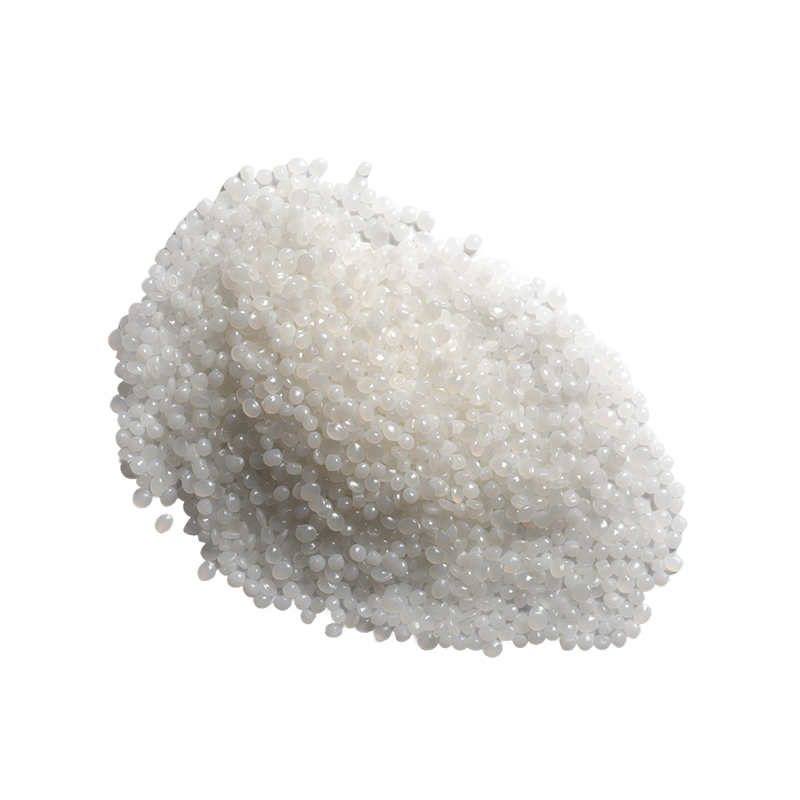
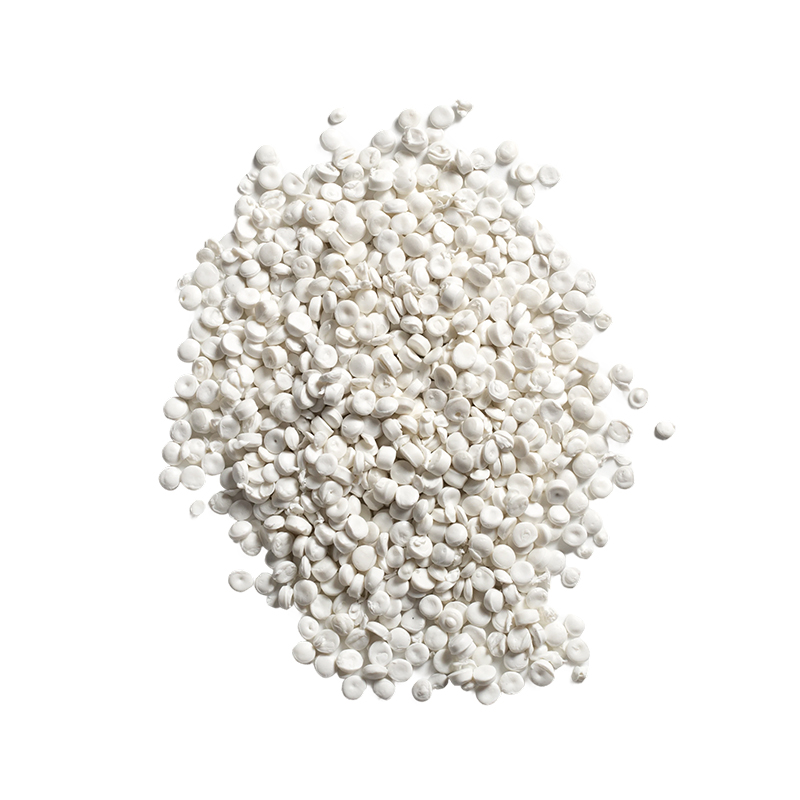
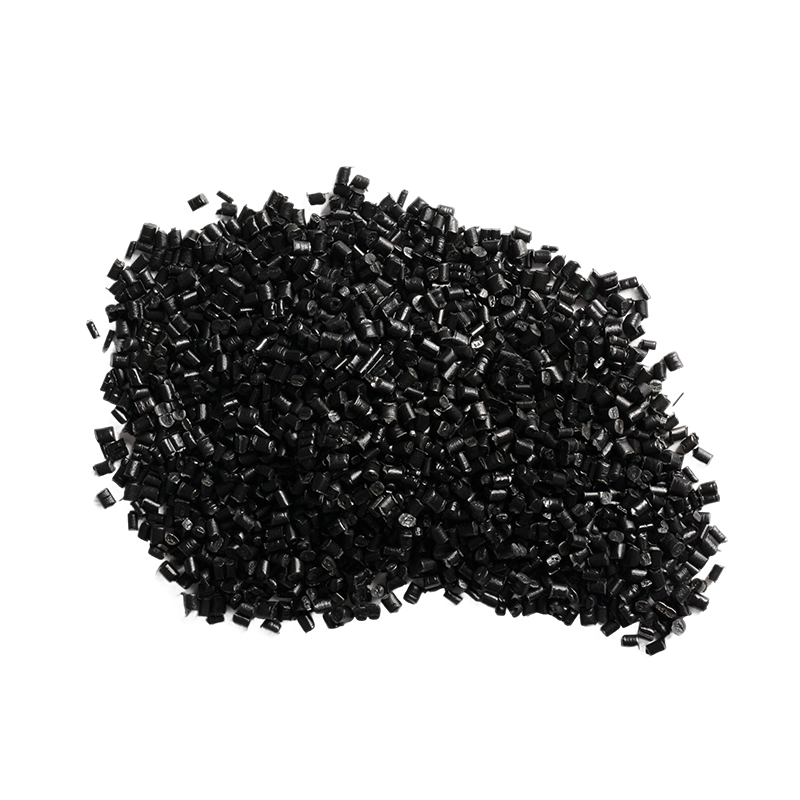
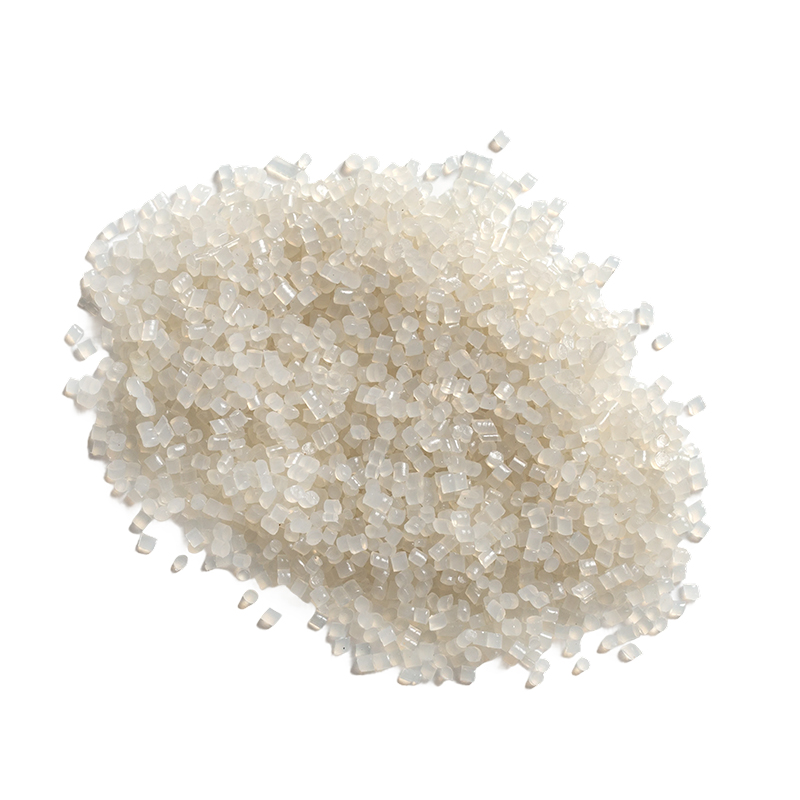
In the footwear and packaging industries, EVA recycled pellets are widely used due to their good elasticity and processability. However, there is often a trade-off between lightweighting and structural strength in recycled materials: reducing density helps reduce weight but may weaken mechanical properties; while increasing strength may increase material usage or density. Achieving a balance between the two through synergistic optimization of material modification and structural design is a key issue in the application of EVA recycled pellets.
1. Achieving Lightweighting Foundation Through Foaming Structure Control
EVA materials have good foaming properties. By controlling the foaming ratio and pore structure, the material density can be effectively reduced, achieving lightweighting. In practical applications, by optimizing the amount of foaming agent and process parameters to ensure uniform pore distribution and appropriate size, it is possible to maintain basic structural stability while reducing weight, avoiding strength reduction due to excessively large or uneven pores.
2. Improving Mechanical Properties Through Material Modification
To compensate for potential performance deficiencies in recycled pellets, their mechanical properties can be improved by adding reinforcing fillers or modifying agents. For example, introducing elastomers or inorganic fillers can enhance the material's compressive and tear resistance. Simultaneously, by improving the molecular chain structure, the material exhibits better toughness under stress, thus maintaining good strength even under lightweight conditions.
3. Multi-layer or Composite Structures Optimize Load-Bearing Capacity
In footwear and packaging materials, multi-layer structures can be used to combine materials with different properties. For example, a high-strength outer layer can provide support and abrasion resistance, while a low-density foamed inner layer can provide cushioning and weight reduction. This clear division of labor helps to balance lightweighting and structural strength overall.
4. Recycled Pellet Grading and Proportioning Control
EVA recycled pellets vary significantly in performance depending on their origin. By grading and managing the pellets and rationally proportioning them with virgin materials, the overall stability and consistency of the material can be improved. Scientific proportioning not only helps control density but also optimizes costs while ensuring strength.
5. Processing Optimization Enhances Structural Integrity
The processing also has a significant impact on the final performance. By optimizing parameters such as temperature, pressure, and molding time, the internal structure of the material can be made denser and more uniform, thereby improving overall strength. Simultaneously, reducing defects during processing, such as bubble bursts or structural inhomogeneity, helps improve product durability and reliability.
In summary, in footwear or packaging applications, EVA recycled pellets, through measures such as foam structure control, material modification, composite structure design, and process optimization, can achieve a good balance between lightweighting and structural strength. This optimization approach, centered on the synergy of materials and structure, not only improves product performance but also promotes the development of recycled materials in high-value-added fields.
1. Achieving Lightweighting Foundation Through Foaming Structure Control
EVA materials have good foaming properties. By controlling the foaming ratio and pore structure, the material density can be effectively reduced, achieving lightweighting. In practical applications, by optimizing the amount of foaming agent and process parameters to ensure uniform pore distribution and appropriate size, it is possible to maintain basic structural stability while reducing weight, avoiding strength reduction due to excessively large or uneven pores.
2. Improving Mechanical Properties Through Material Modification
To compensate for potential performance deficiencies in recycled pellets, their mechanical properties can be improved by adding reinforcing fillers or modifying agents. For example, introducing elastomers or inorganic fillers can enhance the material's compressive and tear resistance. Simultaneously, by improving the molecular chain structure, the material exhibits better toughness under stress, thus maintaining good strength even under lightweight conditions.
3. Multi-layer or Composite Structures Optimize Load-Bearing Capacity
In footwear and packaging materials, multi-layer structures can be used to combine materials with different properties. For example, a high-strength outer layer can provide support and abrasion resistance, while a low-density foamed inner layer can provide cushioning and weight reduction. This clear division of labor helps to balance lightweighting and structural strength overall.
4. Recycled Pellet Grading and Proportioning Control
EVA recycled pellets vary significantly in performance depending on their origin. By grading and managing the pellets and rationally proportioning them with virgin materials, the overall stability and consistency of the material can be improved. Scientific proportioning not only helps control density but also optimizes costs while ensuring strength.
5. Processing Optimization Enhances Structural Integrity
The processing also has a significant impact on the final performance. By optimizing parameters such as temperature, pressure, and molding time, the internal structure of the material can be made denser and more uniform, thereby improving overall strength. Simultaneously, reducing defects during processing, such as bubble bursts or structural inhomogeneity, helps improve product durability and reliability.
In summary, in footwear or packaging applications, EVA recycled pellets, through measures such as foam structure control, material modification, composite structure design, and process optimization, can achieve a good balance between lightweighting and structural strength. This optimization approach, centered on the synergy of materials and structure, not only improves product performance but also promotes the development of recycled materials in high-value-added fields.