


How can the uniformity of PE recycled pellets be controlled to improve product quality stability during plastic processing?
Release Time : 2026-03-10
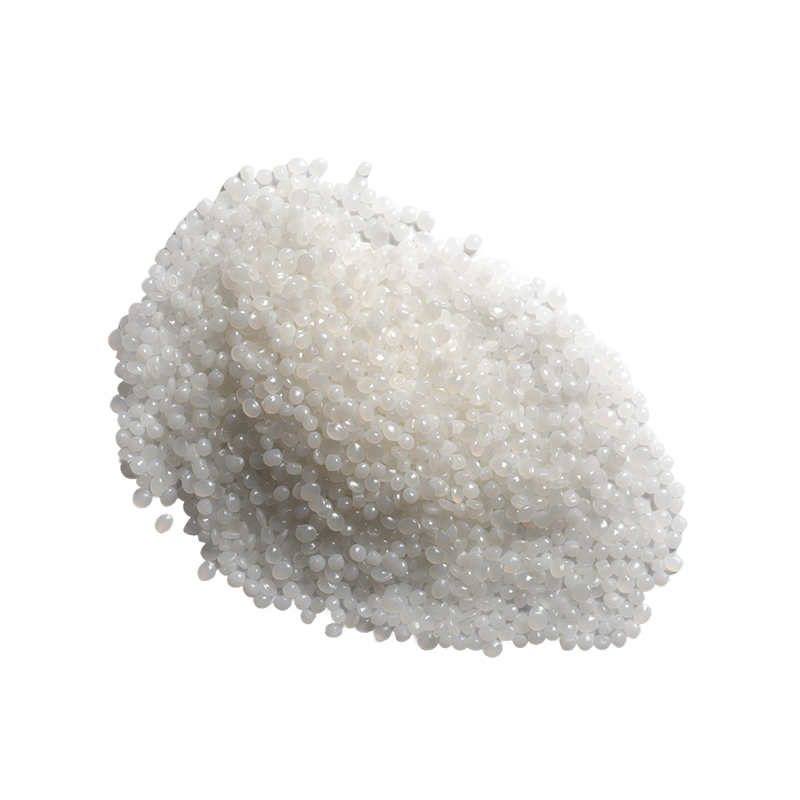
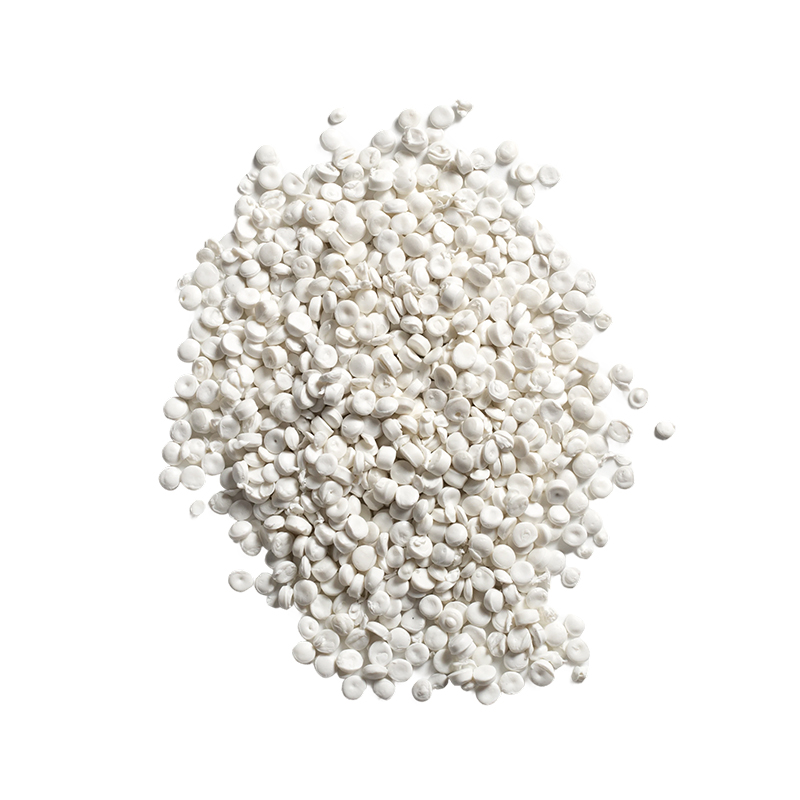
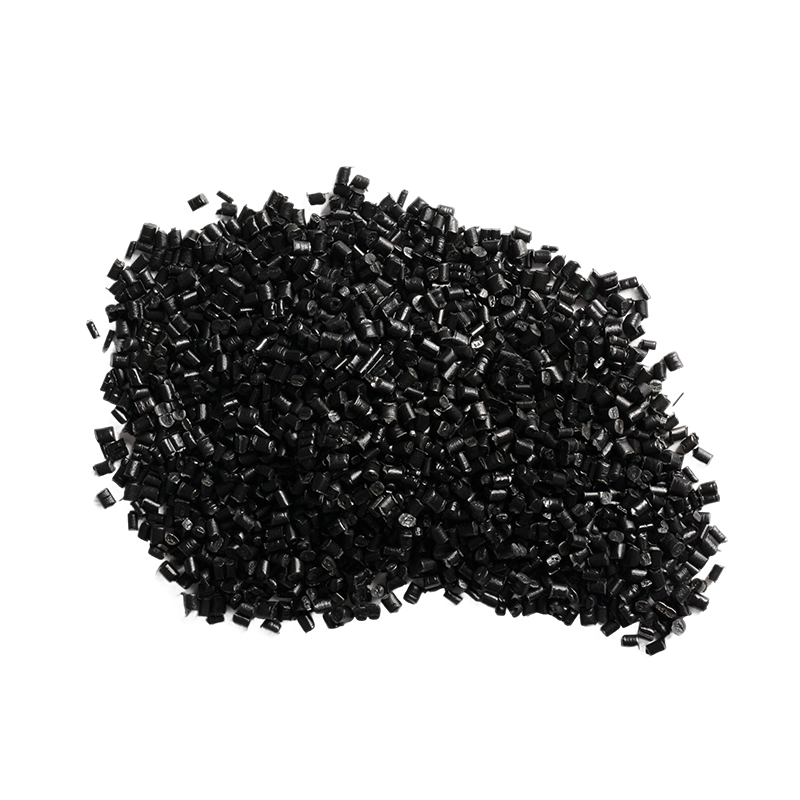
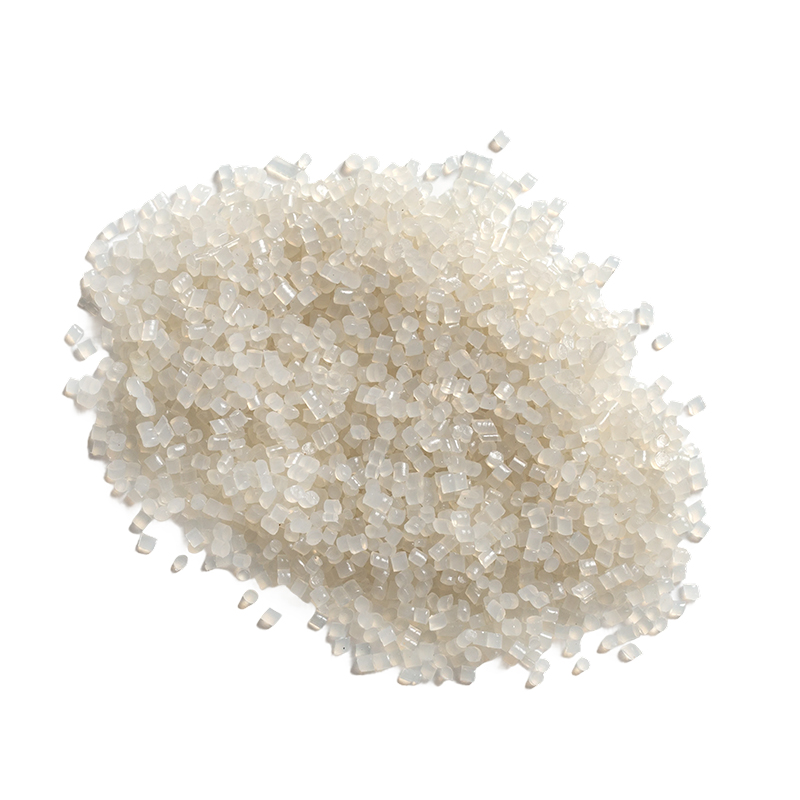
In the plastics processing industry, PE recycled pellets are widely used in the production of various plastic products, such as packaging materials, pipes, plastic containers, and industrial products, due to their environmental friendliness and resource recycling value. However, because recycled materials come from diverse sources, unstable pellet quality can easily lead to fluctuations in the processing, thus affecting the quality of the final product.
1. Uniform Particle Size Helps Stabilize the Process
The size uniformity of PE recycled pellets is one of the key factors affecting processing stability. If the particle size varies greatly, the melting rate of different particles will differ during heating and melting, thus affecting the flow properties of the plastic. When the particle size is consistent, the material can be heated and melted uniformly and synchronously in the extruder or injection molding equipment, which ensures more stable melt flow. A stable processing process not only reduces equipment operation fluctuations but also improves production efficiency.
2. Consistent Particle Density Improves Material Mixing Uniformity
In the plastics processing process, PE recycled pellets usually need to be mixed with other additives or virgin materials. If there are significant differences in particle density, stratification or separation can easily occur during mixing, leading to uneven formulation ratios. Consistent particle density ensures more uniform distribution of materials in the mixing equipment, maintaining a stable raw material ratio for each batch. This not only improves product quality consistency but also reduces performance fluctuations during processing.
3. Reduced Impurities and Improved Material Stability
PE recycled pellets undergo multiple steps during production, including washing, screening, and filtration, to reduce impurity content. Excessive impurities in the pellets can cause uneven melt flow during processing and even affect equipment operation. Therefore, strictly controlling pellet quality and maintaining uniformity ensures stable material performance during processing. High-quality recycled pellets reduce product defects and improve the reliability of the final product.
4. Uniform Particles Improve Product Surface Quality
In plastic product manufacturing, particle uniformity directly affects the appearance quality of the finished product. Inconsistent particle size can lead to uneven melt flow, resulting in bubbles, flow marks, or roughness on the product surface. Uniform PE recycled pellets allow for smoother melt flow and more even material distribution within the mold, resulting in a smoother, more even product surface. This is particularly important for packaging materials or plastic products with high appearance requirements.
5. Stable Pellet Quality Improves Production Efficiency
When PE recycled pellets are of stable and uniform quality, processing equipment can maintain a stable operating state, eliminating the need for frequent adjustments to process parameters. For example, extrusion temperature, pressure, and injection speed can be kept consistent, reducing downtime for adjustments during production. A stable production process not only improves efficiency but also reduces costs.
During plastic processing, controlling factors such as the size, density, and impurity content of PE recycled pellets can effectively improve pellet uniformity. Uniform pellets not only make the processing more stable but also improve the appearance quality and performance of plastic products.
1. Uniform Particle Size Helps Stabilize the Process
The size uniformity of PE recycled pellets is one of the key factors affecting processing stability. If the particle size varies greatly, the melting rate of different particles will differ during heating and melting, thus affecting the flow properties of the plastic. When the particle size is consistent, the material can be heated and melted uniformly and synchronously in the extruder or injection molding equipment, which ensures more stable melt flow. A stable processing process not only reduces equipment operation fluctuations but also improves production efficiency.
2. Consistent Particle Density Improves Material Mixing Uniformity
In the plastics processing process, PE recycled pellets usually need to be mixed with other additives or virgin materials. If there are significant differences in particle density, stratification or separation can easily occur during mixing, leading to uneven formulation ratios. Consistent particle density ensures more uniform distribution of materials in the mixing equipment, maintaining a stable raw material ratio for each batch. This not only improves product quality consistency but also reduces performance fluctuations during processing.
3. Reduced Impurities and Improved Material Stability
PE recycled pellets undergo multiple steps during production, including washing, screening, and filtration, to reduce impurity content. Excessive impurities in the pellets can cause uneven melt flow during processing and even affect equipment operation. Therefore, strictly controlling pellet quality and maintaining uniformity ensures stable material performance during processing. High-quality recycled pellets reduce product defects and improve the reliability of the final product.
4. Uniform Particles Improve Product Surface Quality
In plastic product manufacturing, particle uniformity directly affects the appearance quality of the finished product. Inconsistent particle size can lead to uneven melt flow, resulting in bubbles, flow marks, or roughness on the product surface. Uniform PE recycled pellets allow for smoother melt flow and more even material distribution within the mold, resulting in a smoother, more even product surface. This is particularly important for packaging materials or plastic products with high appearance requirements.
5. Stable Pellet Quality Improves Production Efficiency
When PE recycled pellets are of stable and uniform quality, processing equipment can maintain a stable operating state, eliminating the need for frequent adjustments to process parameters. For example, extrusion temperature, pressure, and injection speed can be kept consistent, reducing downtime for adjustments during production. A stable production process not only improves efficiency but also reduces costs.
During plastic processing, controlling factors such as the size, density, and impurity content of PE recycled pellets can effectively improve pellet uniformity. Uniform pellets not only make the processing more stable but also improve the appearance quality and performance of plastic products.