


What method can be used to achieve uniform color matching to address color differences in PE recycled pellets?
Release Time : 2026-02-24
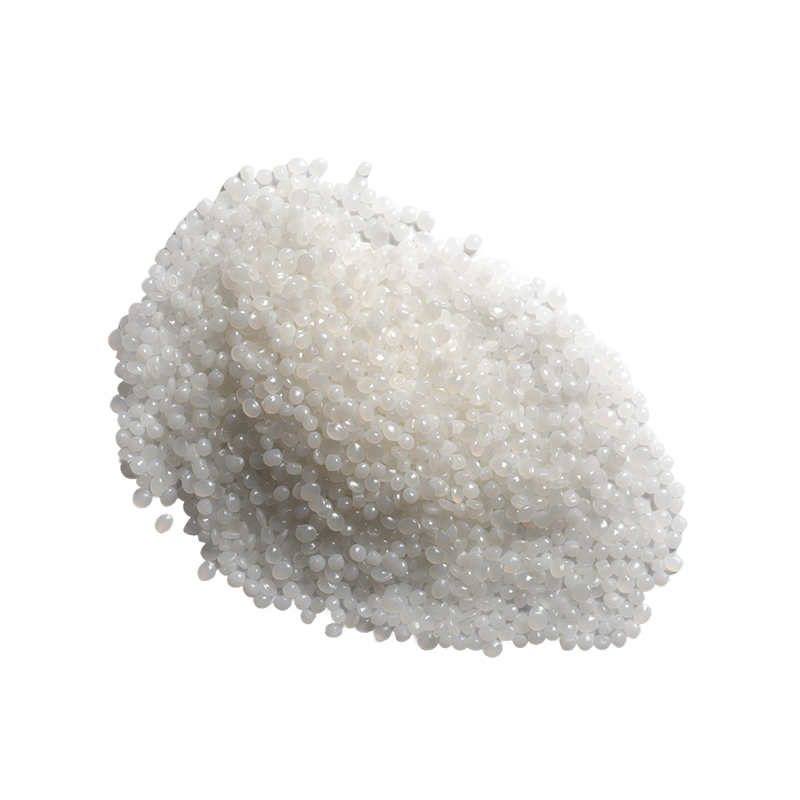
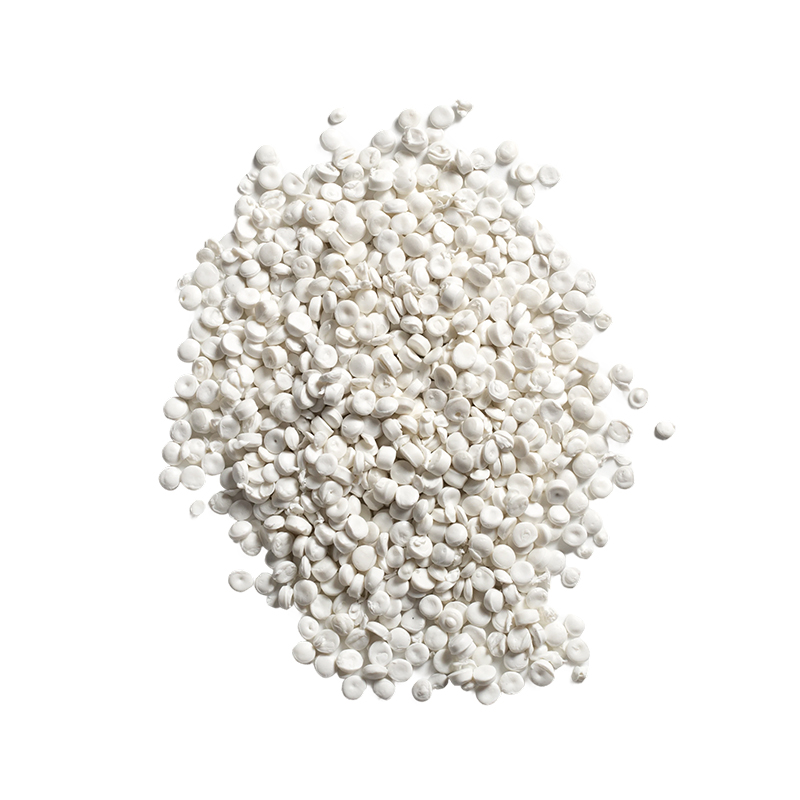
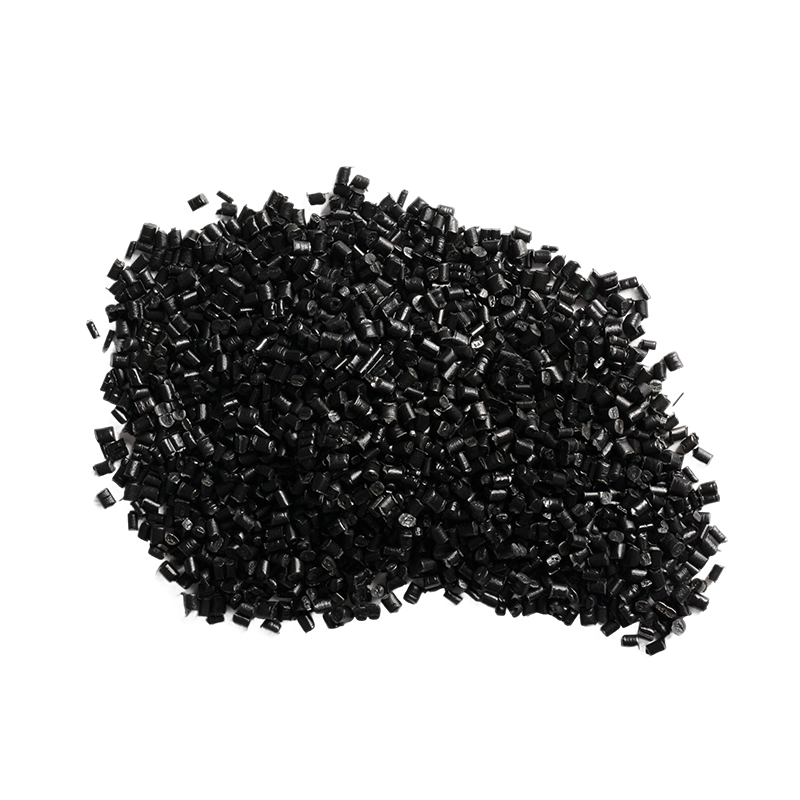
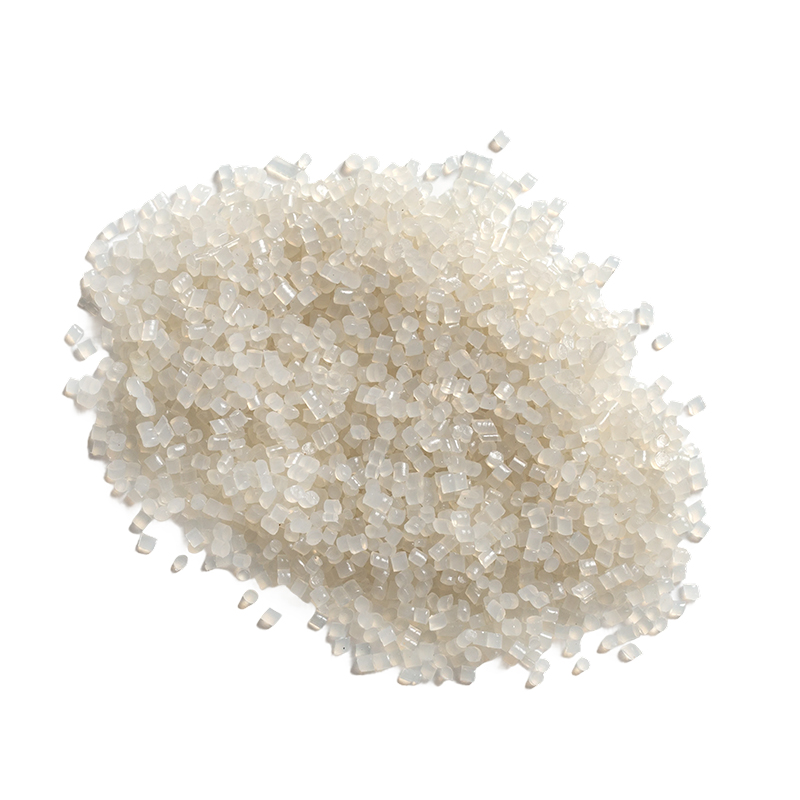
The color variations in recycled PE pellets primarily stem from the complexity of raw material sources, differences in recycling processes, and technological fluctuations during processing. Since recycled plastics are typically a mixture of waste plastics from multiple sources, different batches and compositions of raw materials naturally exhibit color differences. Furthermore, impurities may be introduced during recycling, or differences in heating history may lead to uneven color in the final product. Achieving uniform color matching requires a comprehensive approach encompassing multiple aspects, including raw material pretreatment, additive selection, processing technology optimization, and quality control.
Raw material pretreatment is the foundation of color matching. Recycled PE waste plastics must undergo rigorous sorting, washing, and crushing to remove impurities, metals, and other non-PE components. During sorting, raw materials with similar colors should be grouped together as much as possible to reduce the difficulty of subsequent color matching. The washing process requires controlling water temperature, detergent concentration, and washing time to ensure the raw material surface is clean and free of oil, avoiding color deviations caused by residual impurities. The uniformity of particle size after crushing also affects the subsequent color matching effect; therefore, appropriate crushing equipment and sieves must be used for control.
The selection and application of additives are crucial for color matching. To address color variations in PE recycled pellets, commonly used color-correcting agents include fluorescent whitening agents, titanium dioxide, and color masterbatches. Fluorescent whitening agents absorb ultraviolet light and convert it into blue-violet light, complementing the yellow light in the raw material to achieve a whitening effect and enhance particle brightness. Titanium dioxide, an inorganic pigment, possesses high hiding power and good dispersibility, effectively masking color differences in the raw material. Color masterbatches are concentrated formulations made by pre-mixing pigments or dyes with carrier resins; they are added to PE recycled pellets in a specific ratio to ensure uniform and stable color. In practical applications, appropriate combinations of additives should be selected based on the initial and target colors of the raw material, and the optimal addition amount should be determined through small-scale trials.
Optimization of the processing technology is crucial for color-correcting effects. During granulation, parameters such as temperature, screw speed, and residence time directly affect the dispersibility of additives and the color uniformity of the particles. Excessive temperature may cause additive decomposition or discoloration, while excessively low temperature will affect the melting and dispersion of additives. Therefore, the processing temperature must be precisely controlled based on the properties of the additives and the characteristics of the raw material. Screw speed and residence time need to be determined experimentally to ensure thorough mixing of additives and raw materials, avoiding localized excessively high or low concentrations. Furthermore, using a twin-screw extruder can improve mixing efficiency and further enhance color uniformity.
Quality monitoring and feedback adjustments are crucial for color matching. During production, the color of PE recycled pellets should be regularly tested and compared with the target color. Testing methods include visual colorimetry and colorimeter measurement, with the colorimeter providing quantitative data for precise control. If the test results deviate from the target color, the amount of additives added or processing parameters should be adjusted promptly until the requirements are met. Simultaneously, a comprehensive quality traceability system should be established, recording the source of each batch of raw materials, the type and amount of additives added, and processing parameters, to quickly pinpoint the cause and implement corrective measures in case of quality problems.
Management during storage and use is also essential. PE recycled pellets should be stored away from direct sunlight and humid environments to prevent additive decomposition or granule discoloration due to moisture absorption. When using, the first-in, first-out (FIFO) principle should be followed to avoid prolonged storage that could lead to color changes. Furthermore, when mixing different batches of PE recycled pellets, a small-scale trial should be conducted beforehand to confirm color compatibility and avoid uneven coloring of the final product due to batch differences.
By implementing comprehensive measures across multiple stages, including raw material pretreatment, additive selection, processing technology optimization, quality monitoring, and storage and usage management, the color difference problem of PE recycled pellets can be effectively solved, achieving uniform coloring. This not only helps improve the appearance quality of recycled plastics but also expands their application range and promotes the development of a circular economy for plastics.