


How can residual impurities be effectively removed during the manufacturing process of cling film recycled pellets?
Release Time : 2026-02-09
The manufacturing process of cling film recycled pellets requires a multi-stage collaborative effort to systematically remove residual impurities, ensuring that the recycled materials meet environmental and performance requirements. This process involves key steps such as physical sorting, chemical cleaning, melt filtration, and post-processing. Each step is designed to address different types of impurities, forming a complete impurity removal chain.
Physical sorting is the first hurdle in impurity removal, primarily targeting macroscopic contaminants on the cling film surface. Since recycled cling film often has sand, oil, label fragments, and other impurities attached, it needs to be cut into 15cm square pieces using a crusher. Larger particles of sand and paper scraps are then separated using a vibrating screen or air classifier. For impurities with densities similar to plastic, such as some label adhesive, a water-density differential method can be used. By adjusting the water flow rate, substances of different densities are separated into layers for efficient separation. The key at this stage is to reduce the load on subsequent processing stages and prevent impurities from causing wear or clogging to the equipment.
Chemical cleaning focuses on dissolving or peeling off organic contaminants from the cling film surface. Over long-term use, plastic wrap may absorb pesticide residues, plasticizers (such as dioctyl adipate), and food oils. If these substances are not thoroughly removed, they can create odors or pose a toxicity risk in recycled granules. During the cleaning process, the broken film pieces are immersed in an alkaline solution containing surfactants. Agitation enhances the contact between the cleaning agent and the film surface, causing organic matter to emulsify and detach. A multi-stage rinsing process is then used, rinsing away residual cleaning agent with running water to prevent secondary chemical contamination. For stubborn stains, ultrasonic cleaning technology can be used to remove microscopic impurities through cavitation.
Melted filtration is a crucial step in removing impurities embedded within the plastic. The cleaned plastic wrap fragments are heated to a molten state using a screw extruder. At this point, the plastic's fluidity increases, weakening the bond between impurities and the matrix. As the molten plastic passes through a filter, metal or ceramic filters can intercept unmelted solid particles (such as aluminum foil residue from labels), gel particles, and carbides. The selection of filter mesh size needs to balance filtration precision and production efficiency. A multi-stage filtration system is typically used, first using a coarse filter to remove large particles, then a fine filter to capture micron-sized contaminants. Some advanced processes also incorporate electrostatic adsorption devices during the melting stage, separating charged particles through electrostatic attraction.
Specialized treatment technologies are required to address the unique additive residues in plastic wrap. For example, some plastic wrap contains antioxidants, UV absorbers, and other additives that may decompose into colored substances during recycling, causing the recycled granules to yellow or develop discolored spots. In this case, an anti-yellowing and whitening agent can be added during the melting stage to neutralize the colored groups through a chemical reaction, improving the whiteness of the granules. Furthermore, for chlorine-containing plastic wrap (such as PVC), a dechlorination process is necessary to remove hydrogen chloride gas and prevent the recycled material from becoming corrosive or toxic.
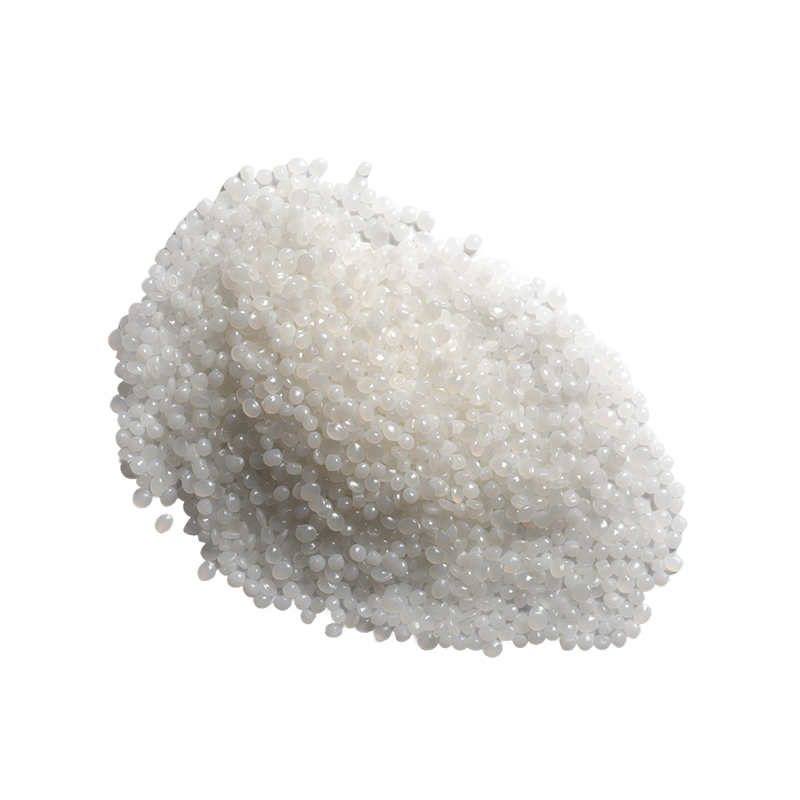
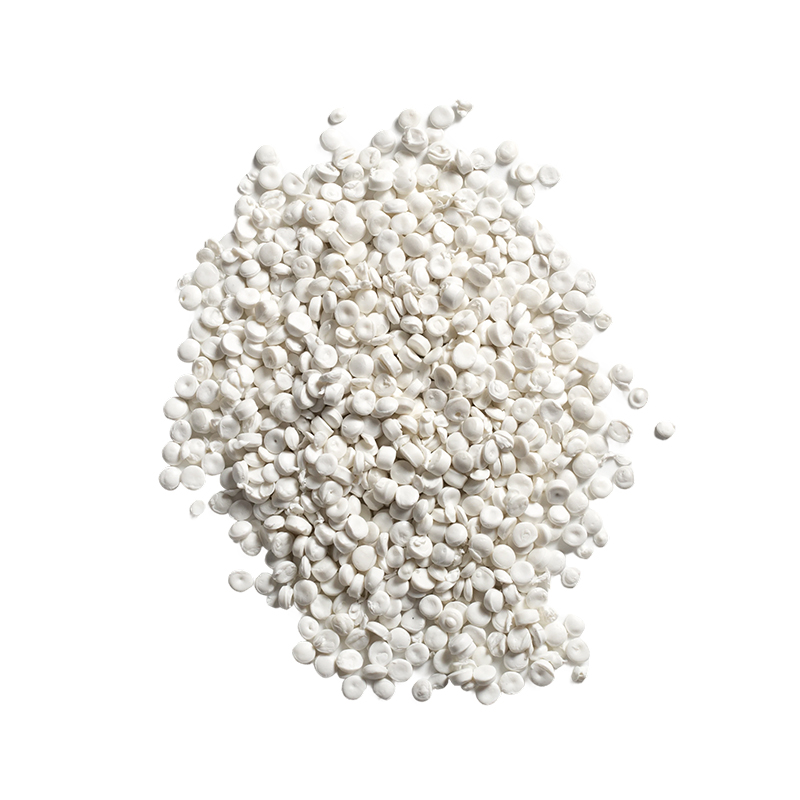
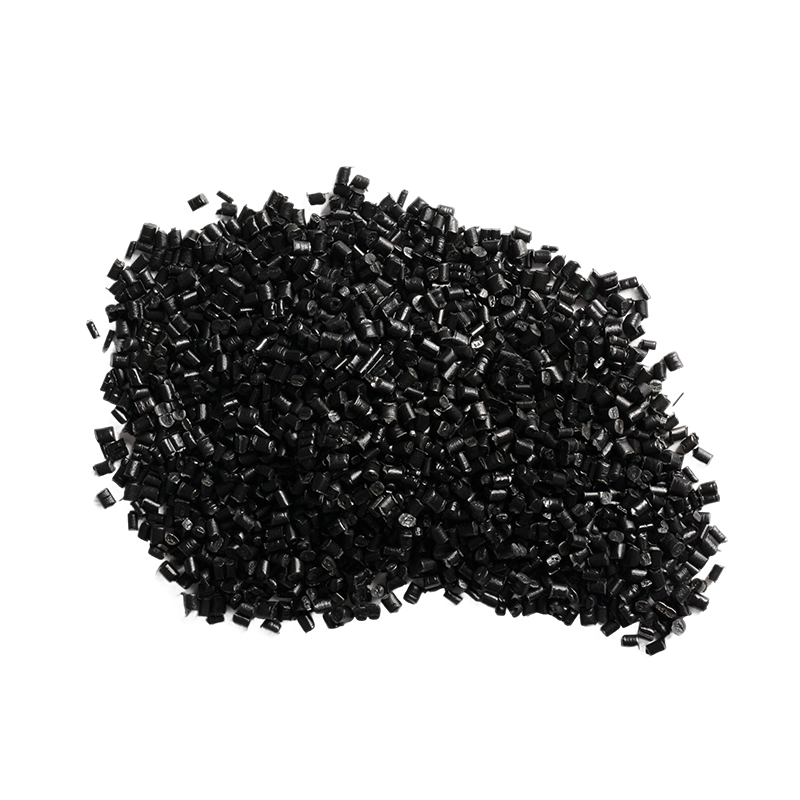
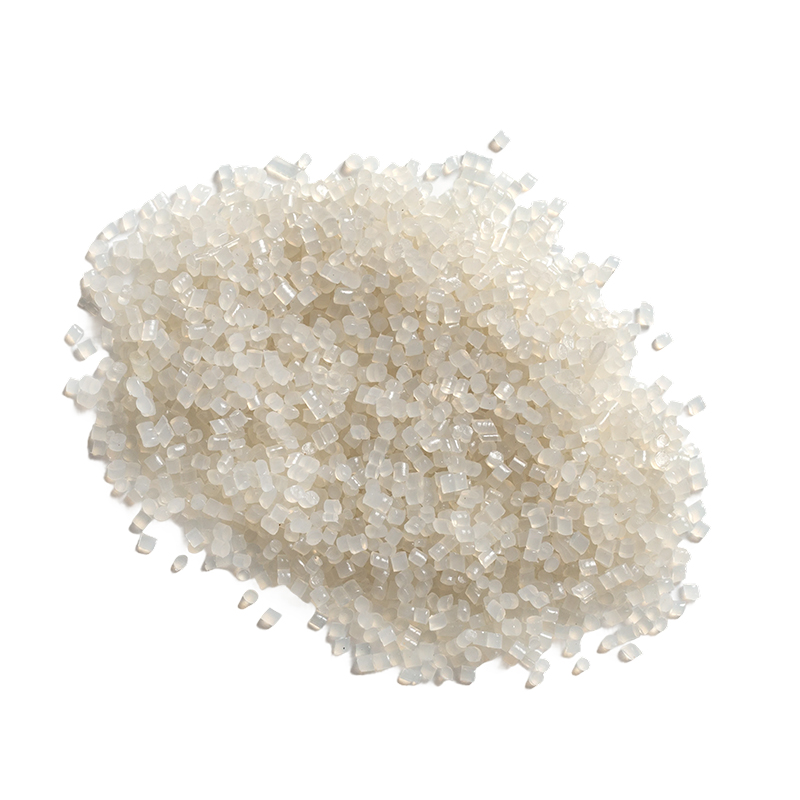
The post-processing stage further optimizes the purity of the recycled granules. The melt-extruded strips of plastic need to be water-cooled or air-cooled for solidification, and then cut into uniform granules by a pelletizer. Strict control of the pelletizing environment is crucial at this stage to prevent airborne dust from settling on the granule surface. Some processes further incorporate air or magnetic separation steps, utilizing airflow or magnetic fields to separate any potentially contaminated light impurities or metal particles. Finally, the recycled pellets undergo rigorous quality testing, including impurity content analysis, tensile strength testing, and odor assessment, to ensure compliance with relevant standards.
The entire impurity removal process must balance efficiency and environmental friendliness. For example, washing wastewater must be treated by sedimentation, flotation, and biological processes before reuse to reduce water consumption; waste filter screens generated from melt filtration must be sorted and recycled to avoid secondary pollution. Through this systematic process, cling film recycled pellets can transform waste into high-value raw materials, providing a sustainable solution for the circular economy.