


How do PE recycled pellets achieve a win-win situation of environmental protection and performance?
Release Time : 2025-12-29
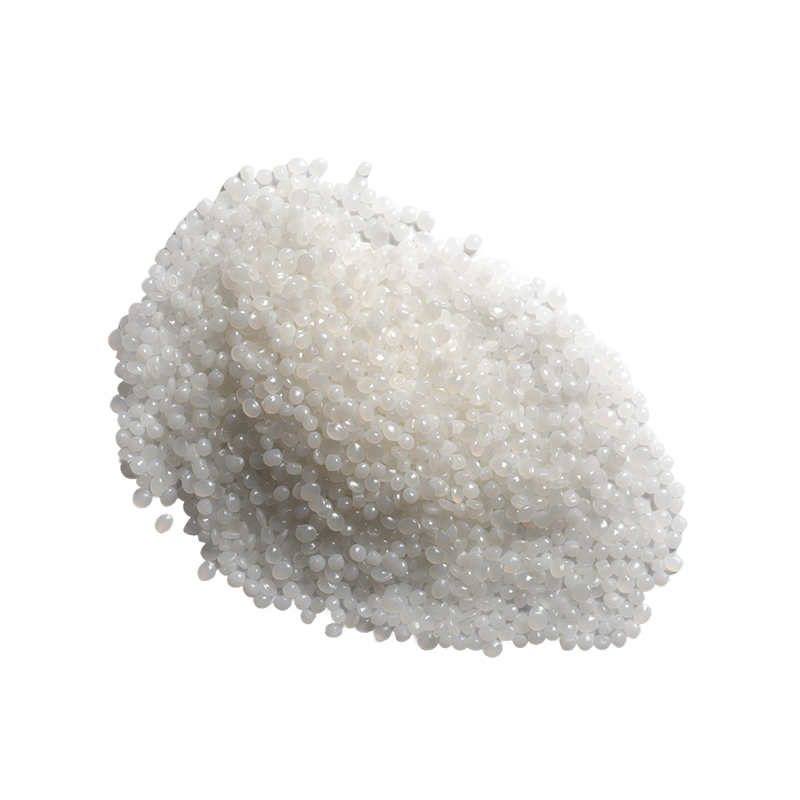
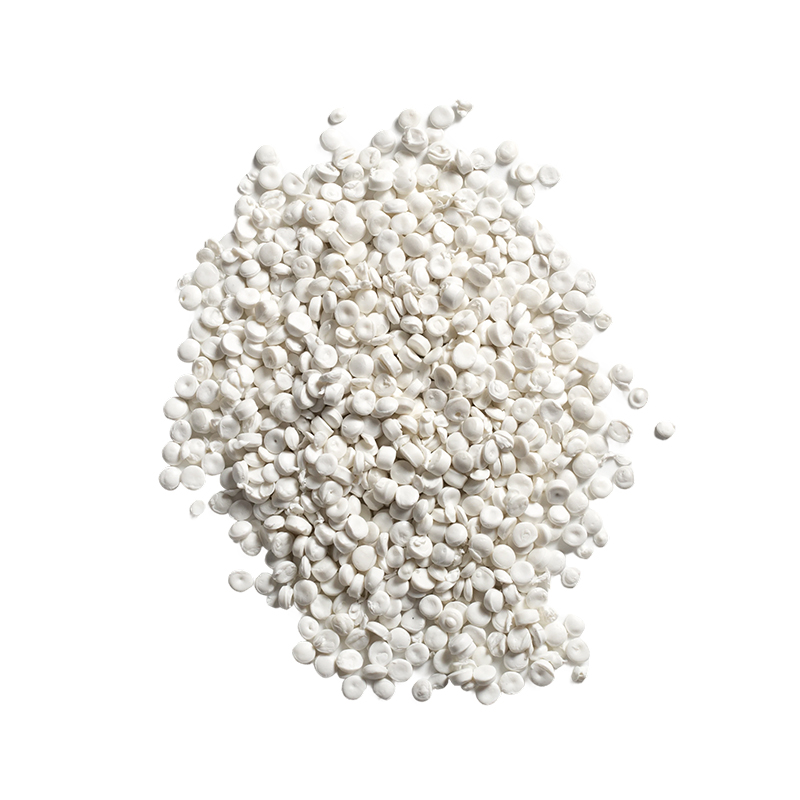
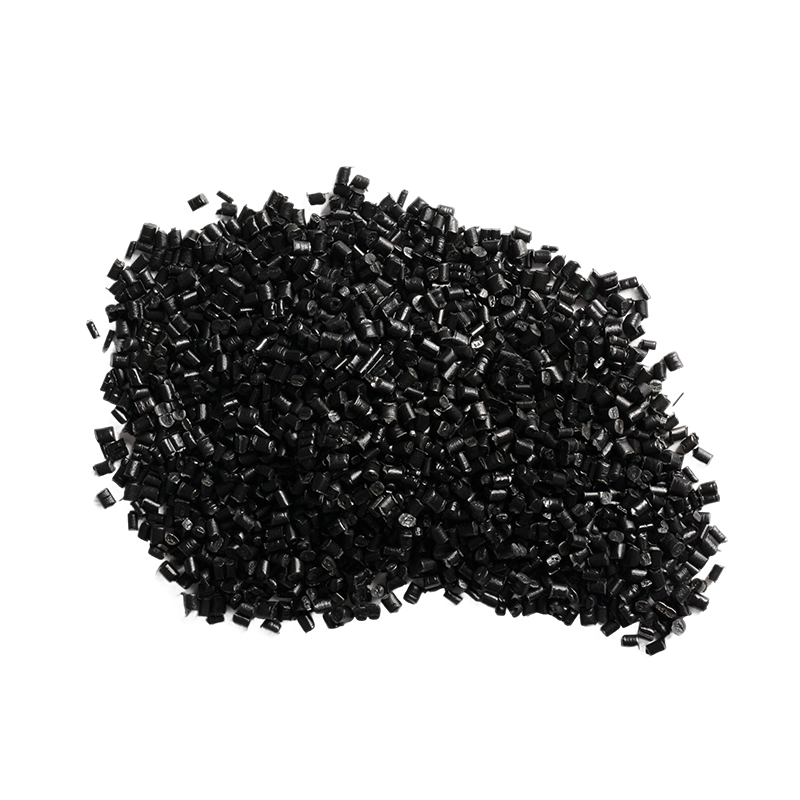
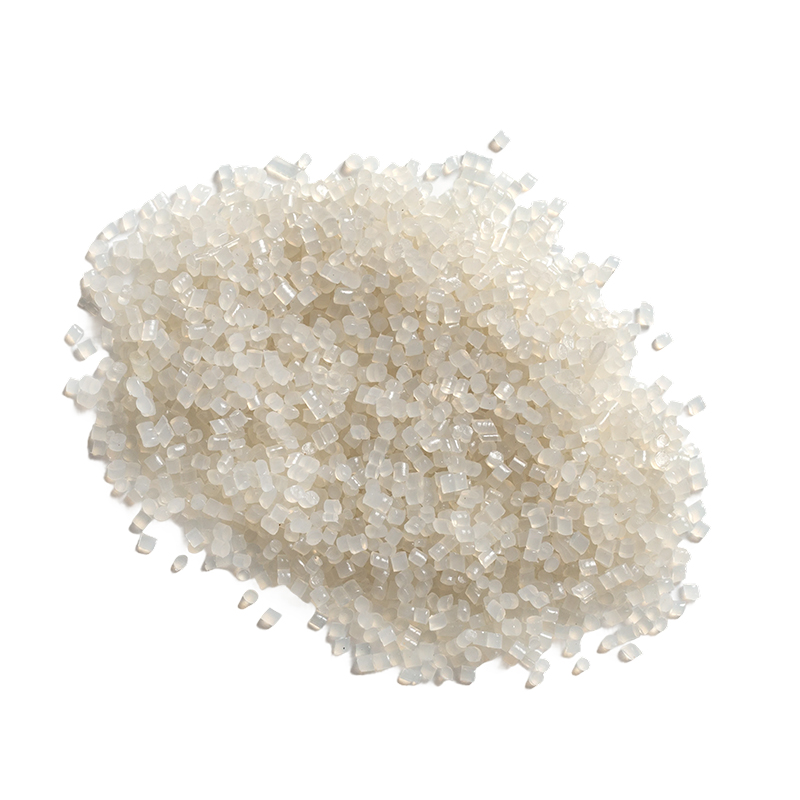
In today's world of increasingly scarce resources and deepening environmental awareness, the plastics circular economy has become an important direction for the transformation of the manufacturing industry. As a core product for the high-value utilization of polyethylene waste, PE recycled pellets, with their excellent material properties and wide range of applications, are gradually transforming from an "alternative option" into a mainstream raw material for many industries. They not only carry the mission of green development but also prove with their solid performance that recycling can be reliable, efficient, and valuable.
One of the most significant advantages of PE recycled pellets is their excellent corrosion resistance. Thanks to the chemical inertness of the polyethylene molecular structure, recycled pellets remain stable when facing acids, alkalis, salts, and various chemical solvents, and are not prone to oxidation, swelling, or decomposition. This characteristic makes them an ideal material for manufacturing chemical storage tanks, agricultural irrigation pipes, sewage treatment equipment, and corrosion-resistant packaging. Even when exposed to humid, salt spray, or industrial environments for extended periods, the products remain as robust as ever, effectively extending their service life and reducing replacement frequency.
Meanwhile, flexibility is another core competitive advantage of PE recycled pellets. Recycled materials, processed through scientific sorting and fine granulation, retain the high ductility and impact resistance of polyethylene. Films, pipes, and containers made from them maintain good bending performance even at low temperatures, resisting brittleness. When subjected to external impacts during transportation or use, they absorb energy through elastic deformation, preventing structural damage. This combination of rigidity and flexibility makes them widely applicable in fields with high safety and durability requirements, such as logistics turnover boxes, children's playground equipment, outdoor trash cans, and mulch film coverings.
In actual production, PE recycled pellets exhibit strong processing adaptability. Their stable melt flow allows for seamless integration with mainstream plastic molding processes such as injection molding, blow molding, extrusion, and rotational molding, without requiring large-scale modifications to existing production lines. Whether producing thin-walled packaging, hollow containers, or large sheets and profiles, recycled pellets maintain good molding efficiency and dimensional stability. Some high-quality products can even be blended with virgin materials in specific proportions, significantly reducing raw material costs while ensuring performance and enhancing the company's green competitiveness.
The reliability of quality stems from strict control throughout the entire process. High-quality PE recycled pellets originate from clean industrial scraps or post-consumer recycled materials. Through multi-stage crushing, deep cleaning, metal and impurity separation, high-temperature melt filtration, and homogenization granulation, they ensure the final product has a uniform color, no black spots, and no odor, meeting multiple international environmental and safety standards. This attention to detail makes the recycled pellets not only "usable" but also "safe to use."
At a deeper level, the significance of PE recycled pellets extends far beyond the material itself. It transforms waste plastics into recyclable industrial resources, reducing dependence on virgin petroleum, lowering carbon emissions and environmental pollution. In a closed loop of "reduction, reuse, and recycling," it propels the industry towards a sustainable future. When a piece of recycled PE pipe delivers clean water, when a recycled trash can protects the city's cleanliness, behind it lies the rebirth of countless waste plastics and the manufacturing industry's tangible response to ecological civilization.
Ultimately, the value of PE recycled pellets lies in breaking the stereotype that "recycled = low quality." It resists erosion with stable chemical properties, meets challenges with flexible physical characteristics, and serves diverse needs with broad processing compatibility. Within each uniformly glossy particle lies technological progress and a sense of responsibility—recycling is not compromise, but a higher level of wisdom. Ordinary craftsmanship, reborn; green power, quietly shaping tomorrow's industries.
One of the most significant advantages of PE recycled pellets is their excellent corrosion resistance. Thanks to the chemical inertness of the polyethylene molecular structure, recycled pellets remain stable when facing acids, alkalis, salts, and various chemical solvents, and are not prone to oxidation, swelling, or decomposition. This characteristic makes them an ideal material for manufacturing chemical storage tanks, agricultural irrigation pipes, sewage treatment equipment, and corrosion-resistant packaging. Even when exposed to humid, salt spray, or industrial environments for extended periods, the products remain as robust as ever, effectively extending their service life and reducing replacement frequency.
Meanwhile, flexibility is another core competitive advantage of PE recycled pellets. Recycled materials, processed through scientific sorting and fine granulation, retain the high ductility and impact resistance of polyethylene. Films, pipes, and containers made from them maintain good bending performance even at low temperatures, resisting brittleness. When subjected to external impacts during transportation or use, they absorb energy through elastic deformation, preventing structural damage. This combination of rigidity and flexibility makes them widely applicable in fields with high safety and durability requirements, such as logistics turnover boxes, children's playground equipment, outdoor trash cans, and mulch film coverings.
In actual production, PE recycled pellets exhibit strong processing adaptability. Their stable melt flow allows for seamless integration with mainstream plastic molding processes such as injection molding, blow molding, extrusion, and rotational molding, without requiring large-scale modifications to existing production lines. Whether producing thin-walled packaging, hollow containers, or large sheets and profiles, recycled pellets maintain good molding efficiency and dimensional stability. Some high-quality products can even be blended with virgin materials in specific proportions, significantly reducing raw material costs while ensuring performance and enhancing the company's green competitiveness.
The reliability of quality stems from strict control throughout the entire process. High-quality PE recycled pellets originate from clean industrial scraps or post-consumer recycled materials. Through multi-stage crushing, deep cleaning, metal and impurity separation, high-temperature melt filtration, and homogenization granulation, they ensure the final product has a uniform color, no black spots, and no odor, meeting multiple international environmental and safety standards. This attention to detail makes the recycled pellets not only "usable" but also "safe to use."
At a deeper level, the significance of PE recycled pellets extends far beyond the material itself. It transforms waste plastics into recyclable industrial resources, reducing dependence on virgin petroleum, lowering carbon emissions and environmental pollution. In a closed loop of "reduction, reuse, and recycling," it propels the industry towards a sustainable future. When a piece of recycled PE pipe delivers clean water, when a recycled trash can protects the city's cleanliness, behind it lies the rebirth of countless waste plastics and the manufacturing industry's tangible response to ecological civilization.
Ultimately, the value of PE recycled pellets lies in breaking the stereotype that "recycled = low quality." It resists erosion with stable chemical properties, meets challenges with flexible physical characteristics, and serves diverse needs with broad processing compatibility. Within each uniformly glossy particle lies technological progress and a sense of responsibility—recycling is not compromise, but a higher level of wisdom. Ordinary craftsmanship, reborn; green power, quietly shaping tomorrow's industries.