


How can PO recycled pellets significantly reduce carbon footprint and resource consumption while maintaining near-virgin material performance?
Release Time : 2025-12-15
In today's plastics industry's pursuit of sustainable development, PO recycled pellets (primarily referring to recycled polyolefin raw materials such as polypropylene (PP) and polyethylene (PE)) are becoming a crucial bridge connecting environmental responsibility and manufacturing needs. It's not simply about "recycling" waste plastics; rather, through a series of precise recycling, sorting, cleaning, and regranulation processes, it gives waste plastics a new lease on life while preserving their original physical and processing properties to the greatest extent possible, making them comparable to or even replacing virgin materials in many applications. More importantly, this process significantly reduces dependence on fossil resources and substantially lowers the environmental impact throughout the entire lifecycle, truly achieving a win-win situation of "green" and "practical."
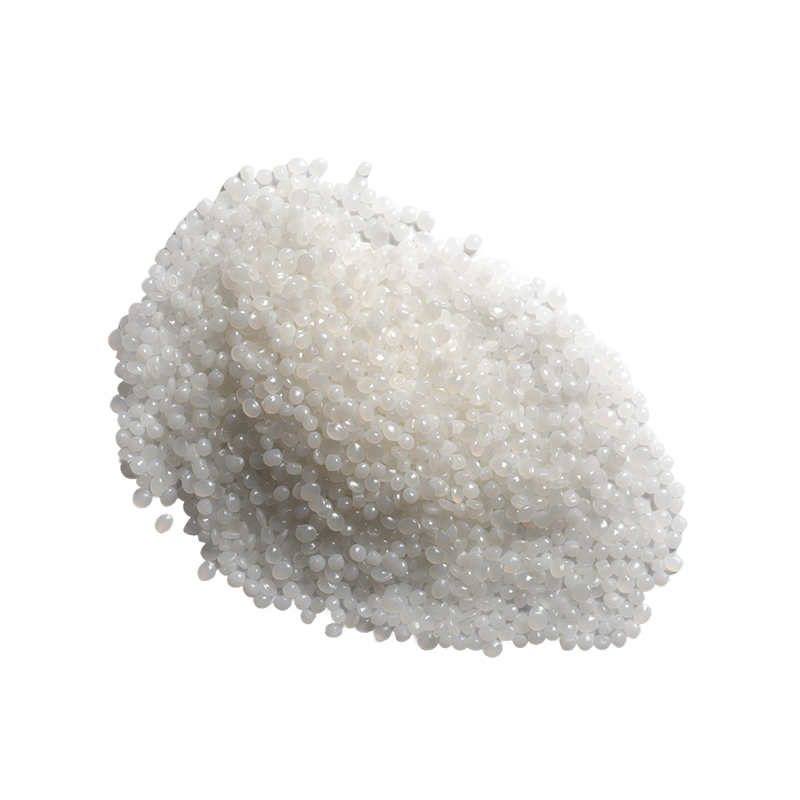
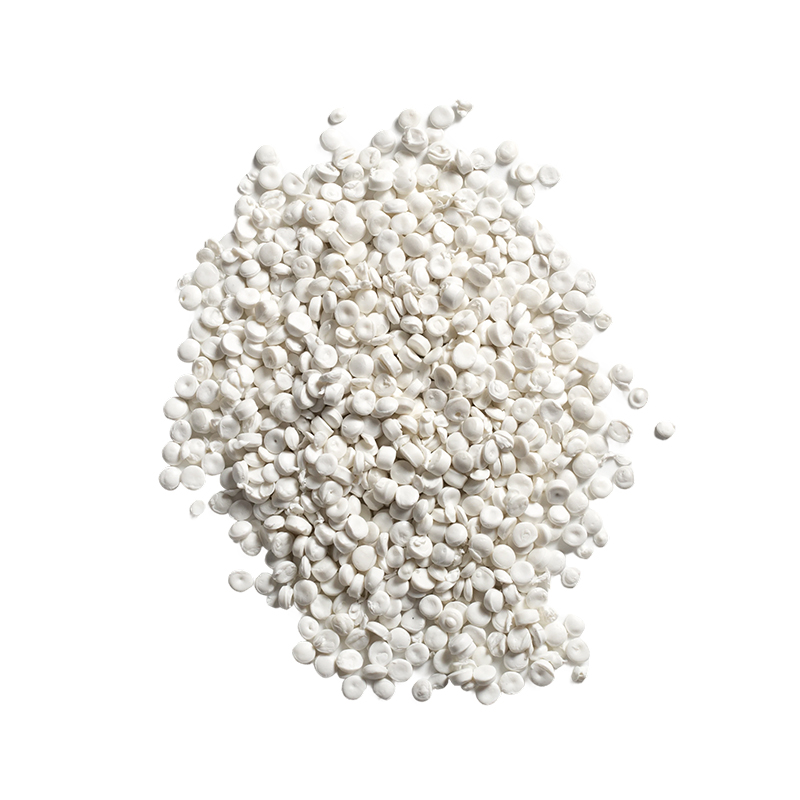
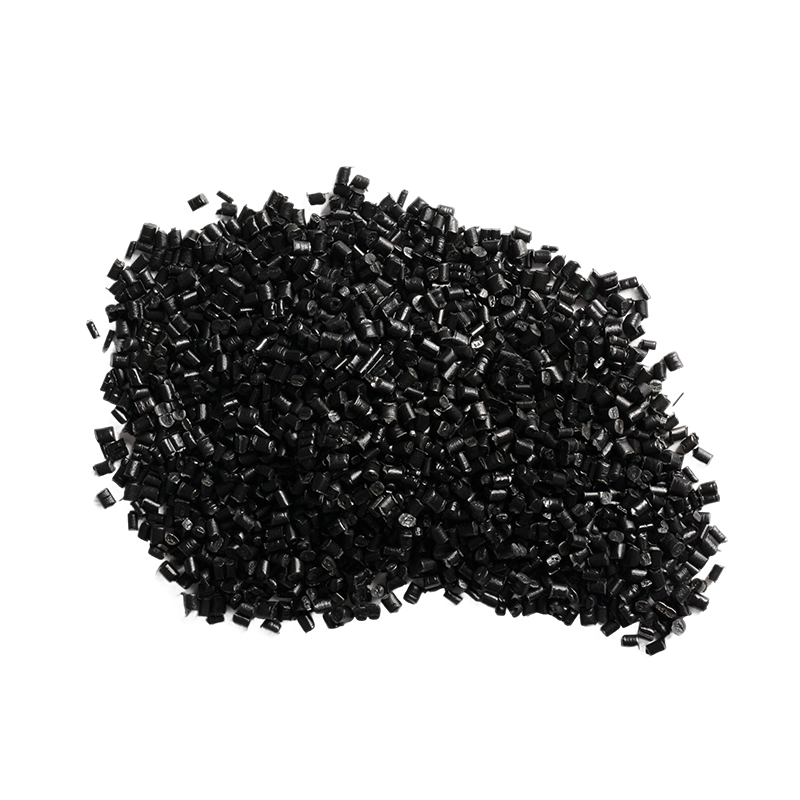
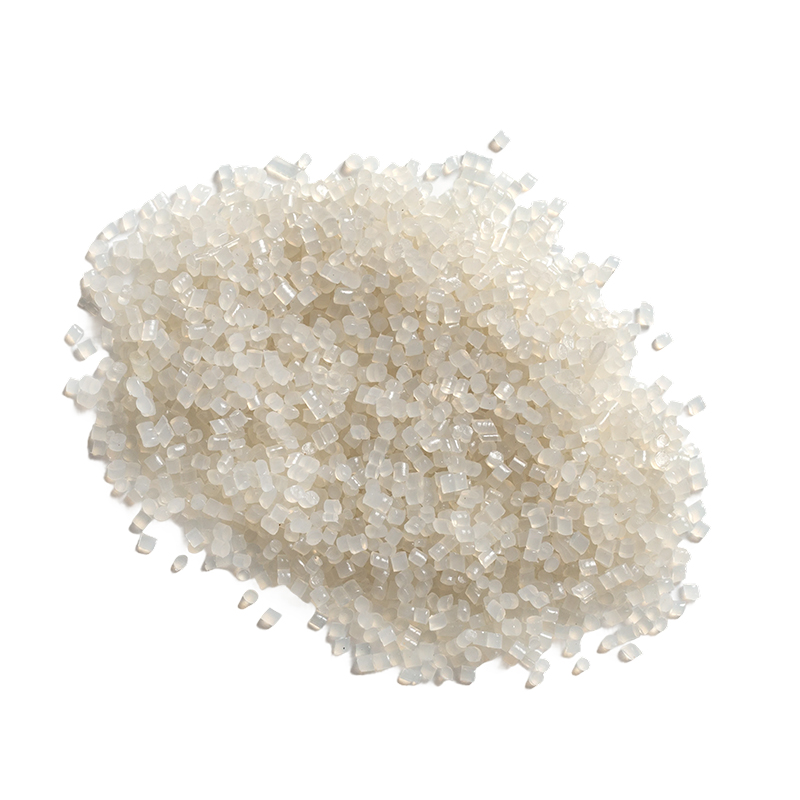
The key to their near-virgin material performance lies in the synergistic effect of source control and deep purification technologies. High-quality PO recycled pellets typically originate from clearly categorized, low-pollution industrial scraps or rigorously sorted post-consumer recyclables. In recycling plants, these waste plastics first undergo multi-stage crushing, flotation, friction washing, and high-temperature melt filtration to effectively remove labels, adhesives, metallic impurities, and minute contaminants. Subsequently, a high-precision melt filtration system (such as a screen or centrifugal filter) further removes micron-sized impurities, ensuring melt purity. Building on this, some processes introduce stabilizing agents or molecular chain repair technologies to compensate for minor degradation that may occur during initial use and recycling, thereby restoring the material's toughness, strength, and thermal stability. The final recycled granules have a uniform color, low odor, and stable melt flow behavior, allowing them to be smoothly integrated into mainstream processing flows such as injection molding, blown film, and extrusion, producing products with excellent appearance and function.
Their environmental value lies in the dual dimensions of resource recycling and carbon emission reduction. Traditional plastic production is highly dependent on oil or natural gas; producing one ton of virgin resin means the extraction of a large amount of non-renewable resources and a high-energy-consuming pyrolysis and polymerization process. In contrast, using waste plastics as raw materials is equivalent to reintroducing existing carbon elements into the production cycle, avoiding the release of new fossil carbon. Meanwhile, the energy consumption of the recycling process is far lower than that of the entire chain of refining monomers from crude oil and then polymerizing them, significantly reducing greenhouse gas emissions. Furthermore, converting waste plastics into high-value recycled materials effectively alleviates the land occupation and air pollution problems caused by landfilling or incineration, promoting a shift in perception from "plastic waste" to "urban mining" from the source.
Even more commendable is that this environmental benefit has not come at the expense of practicality. Modern recycled pellets are now widely used in non-food contact daily necessities, storage boxes, pipe fittings, automotive interior parts, gardening tools, and even high-end packaging. Many brands, by scientifically blending recycled and virgin materials, clearly label the recycled content while meeting product performance requirements, fulfilling their corporate social responsibility and responding to consumers' growing desire for green consumption.
Of course, all of this is predicated on a standardized recycling system and high-standard recycling processes. Only by eliminating mixed pollution and strictly controlling processing conditions can truly reliable, safe, and high-performance recycled raw materials be produced. This has also prompted the entire industry chain to shift from "end-of-life processing" to "front-end design"—encouraging easily recyclable structures, the use of single materials, and clear labeling, creating conditions for high-quality recycling.
In summary, the value of PO recycled pellets lies not only in their being plastic particles that can be processed by machines, but also in their embodiment of the core principles of the circular economy: allowing resources to flow continuously in a closed loop, and subtly reducing the environmental burden with each reuse. It proves with near-virgin material performance that environmental protection doesn't have to compromise quality; it declares with a lower carbon footprint that manufacturing can be more responsible. Within this seemingly ordinary recycled pellet lies a cleaner, more efficient, and more sustainable future.
The key to their near-virgin material performance lies in the synergistic effect of source control and deep purification technologies. High-quality PO recycled pellets typically originate from clearly categorized, low-pollution industrial scraps or rigorously sorted post-consumer recyclables. In recycling plants, these waste plastics first undergo multi-stage crushing, flotation, friction washing, and high-temperature melt filtration to effectively remove labels, adhesives, metallic impurities, and minute contaminants. Subsequently, a high-precision melt filtration system (such as a screen or centrifugal filter) further removes micron-sized impurities, ensuring melt purity. Building on this, some processes introduce stabilizing agents or molecular chain repair technologies to compensate for minor degradation that may occur during initial use and recycling, thereby restoring the material's toughness, strength, and thermal stability. The final recycled granules have a uniform color, low odor, and stable melt flow behavior, allowing them to be smoothly integrated into mainstream processing flows such as injection molding, blown film, and extrusion, producing products with excellent appearance and function.
Their environmental value lies in the dual dimensions of resource recycling and carbon emission reduction. Traditional plastic production is highly dependent on oil or natural gas; producing one ton of virgin resin means the extraction of a large amount of non-renewable resources and a high-energy-consuming pyrolysis and polymerization process. In contrast, using waste plastics as raw materials is equivalent to reintroducing existing carbon elements into the production cycle, avoiding the release of new fossil carbon. Meanwhile, the energy consumption of the recycling process is far lower than that of the entire chain of refining monomers from crude oil and then polymerizing them, significantly reducing greenhouse gas emissions. Furthermore, converting waste plastics into high-value recycled materials effectively alleviates the land occupation and air pollution problems caused by landfilling or incineration, promoting a shift in perception from "plastic waste" to "urban mining" from the source.
Even more commendable is that this environmental benefit has not come at the expense of practicality. Modern recycled pellets are now widely used in non-food contact daily necessities, storage boxes, pipe fittings, automotive interior parts, gardening tools, and even high-end packaging. Many brands, by scientifically blending recycled and virgin materials, clearly label the recycled content while meeting product performance requirements, fulfilling their corporate social responsibility and responding to consumers' growing desire for green consumption.
Of course, all of this is predicated on a standardized recycling system and high-standard recycling processes. Only by eliminating mixed pollution and strictly controlling processing conditions can truly reliable, safe, and high-performance recycled raw materials be produced. This has also prompted the entire industry chain to shift from "end-of-life processing" to "front-end design"—encouraging easily recyclable structures, the use of single materials, and clear labeling, creating conditions for high-quality recycling.
In summary, the value of PO recycled pellets lies not only in their being plastic particles that can be processed by machines, but also in their embodiment of the core principles of the circular economy: allowing resources to flow continuously in a closed loop, and subtly reducing the environmental burden with each reuse. It proves with near-virgin material performance that environmental protection doesn't have to compromise quality; it declares with a lower carbon footprint that manufacturing can be more responsible. Within this seemingly ordinary recycled pellet lies a cleaner, more efficient, and more sustainable future.