


How can cling film recycled pellets be prevented from getting damp and clumping during storage, thus affecting their usability?
Release Time : 2026-01-12
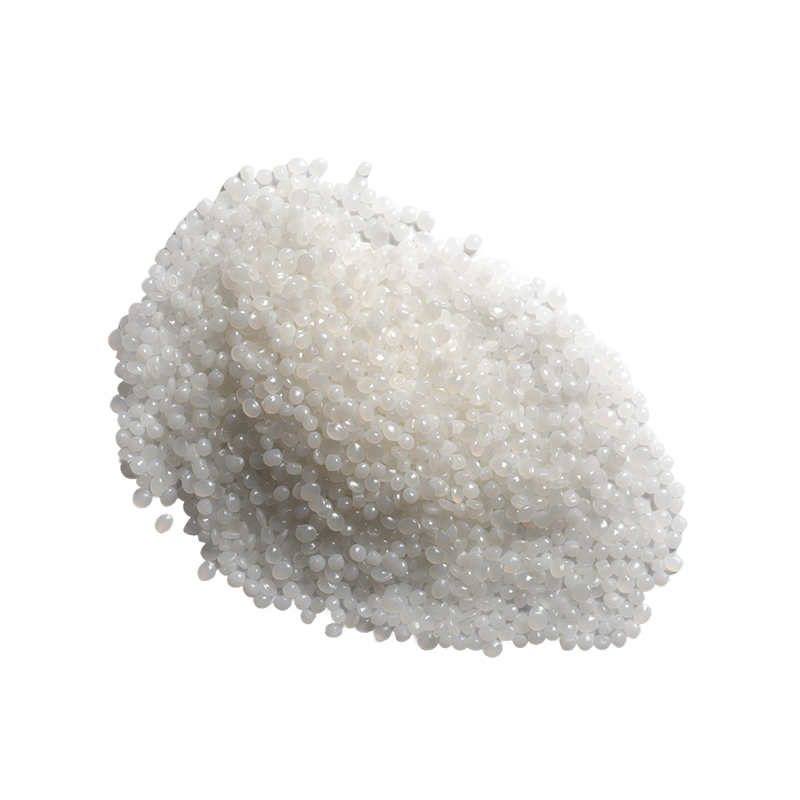
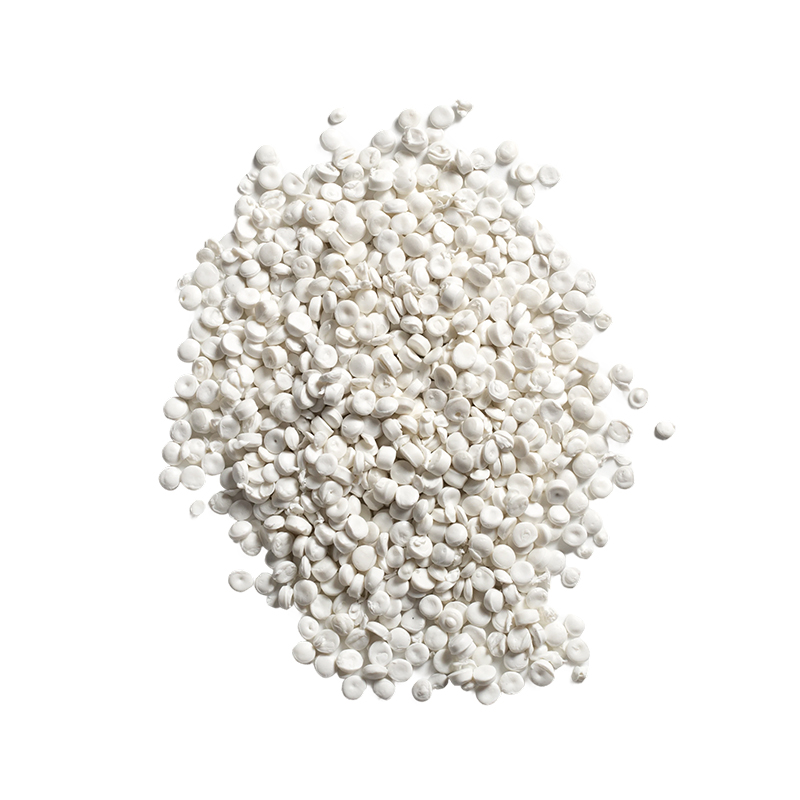
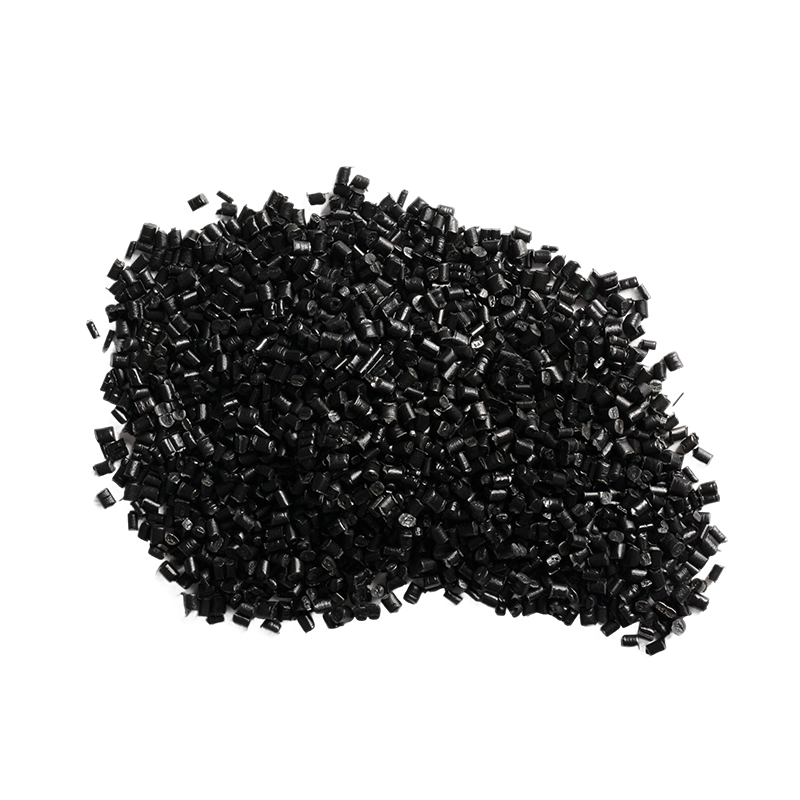
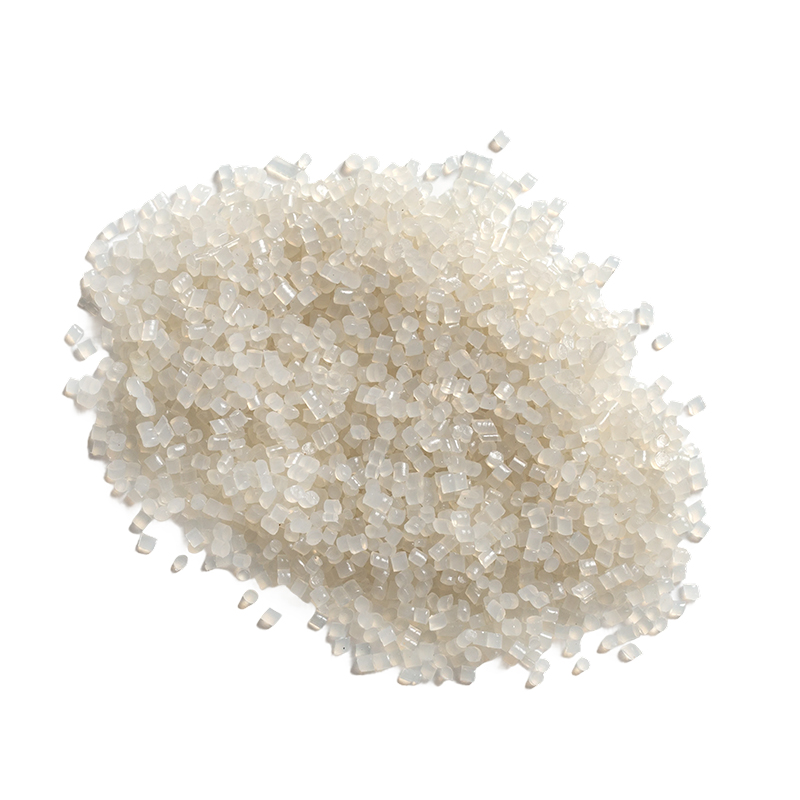
As a product of recycled plastics processing, the storage environment of cling film recycled pellets is crucial to their performance stability. Moisture and clumping directly lead to decreased pellet flowability, equipment blockage during processing, and even air bubbles generated during the heat-melting process, affecting the strength and transparency of the final cling film. To avoid these problems, a systematic protection plan needs to be built from seven dimensions: environmental control, packaging management, stacking standards, moisture-proofing measures, dynamic monitoring, long-term storage handling, and compliance management.
Temperature and humidity in the storage environment are the core factors affecting pellet moisture absorption. Cling film recycled pellets are temperature-sensitive; when the ambient temperature exceeds 35°C, the activity of the internal molecular chains of the pellets increases, making them prone to softening and sticking together; if the temperature is too low, the risk of condensation of moisture in the air increases. Therefore, the warehouse temperature should be controlled within the range of 5°C-35°C, which can be achieved by installing air conditioning or insulation. Humidity management is even more critical; when the relative humidity exceeds 60%, the modified pellets containing hydrophilic groups will absorb moisture from the air, causing the pellet surface to adhere and aggregate. It is recommended to use an industrial dehumidifier to maintain humidity at 50%-60%, and increase the frequency of dehumidification during the rainy season or in high-humidity areas. Simultaneously, close external vents to reduce moisture intrusion.
Packaging airtightness is the first line of defense against moisture contact. Unopened granules should remain in their original packaging. Once opened, the packaging bag should be immediately sealed with rubber bands, cable ties, or a heat sealer to prevent air from entering. If the original packaging is not airtight enough, an outer PE moisture-proof bag can be used, and then further sealed with a sealing machine. For granules stored for long periods, vacuum packaging or nitrogen-filled packaging is recommended to reduce oxygen concentration inside the bag, inhibiting microbial activity and reducing moisture absorption.
The stacking method directly affects the pressure and ventilation of the granules. Multi-layer stacking increases the pressure on the bottom granules, leading to deformation and clumping. It is generally recommended to stack no more than 4 layers; if the packaging strength is low, this should be reduced to 2-3 layers. When stacking, wooden or plastic pallets should be used to elevate the granules, with a moisture-proof film laid between the pallets and the ground to prevent ground moisture penetration. Stored granules near walls and windows should be kept 30-50 cm away to prevent dampness from walls or condensation from dripping from windows during rainy weather. Additionally, storage areas should have a passageway at least 1 meter wide for ventilation, heat dissipation, and routine inspections.
Moisture-proofing measures can further reduce the risk of clumping. Placing desiccant, quicklime, or other moisture-absorbing materials in the warehouse can absorb moisture from the local air, but these need to be replaced regularly to maintain their effectiveness. For granules that have already absorbed moisture, moisture-proof cards can be placed inside the packaging; these cards contain calcium chloride and other components that actively absorb moisture. Furthermore, anti-static flooring can be laid in the warehouse, and staff should wear anti-static work clothes and gloves to prevent static electricity from attracting dust and moisture, while also reducing the heat generated by friction that could cause granules to stick together.
Dynamic monitoring and regular inspections are crucial for preventing clumping. The warehouse should be equipped with a temperature and humidity monitor to display environmental data in real time, automatically activating dehumidifiers when humidity exceeds a threshold. The operating status of dehumidifiers, ventilation fans, and other equipment should be checked weekly, and filters and water tanks should be cleaned to ensure proper functioning. The pellets are manually inspected monthly, with a focus on areas near doors, walls, and corners. Any slight dampness is addressed immediately to prevent clumping. Pellets that have not been removed from storage for extended periods should be moved periodically to avoid localized pressure that could reduce air permeability.
Pellets stored for long periods require pretreatment to ensure performance stability. If pellets have been stored for more than 6 months or are suspected of being damp, they must be dried before use. A forced-air drying oven is typically used, set at 70℃-80℃ for 2-4 hours, with the specific time adjusted based on the degree of moisture absorption and packaging specifications. After drying, aging tests are conducted, comparing tensile strength, elongation at break, and other indicators before and after aging through tensile testing. Alternatively, small samples can be prepared and placed in a high-temperature, high-humidity environment for accelerated aging, observing changes in appearance and performance to ensure the pellets meet production requirements.
Compliance management is a crucial foundation for ensuring storage safety. If cling film recycled pellets are used in food packaging, the storage environment must comply with food-grade safety standards, such as FDA and GB 4806.1, and should be kept away from chemical raw materials to prevent cross-contamination. The warehouse must be equipped with a sufficient number of fire extinguishers, such as dry powder fire extinguishers and carbon dioxide fire extinguishers, and must be regularly inspected and maintained to prevent the combustion of particles and the generation of harmful substances in case of fire. In addition, a complete storage record must be established to record information such as the time of particle entry into the warehouse, temperature and humidity data, and inspection records, so as to provide a basis for quality traceability.