


How can recycled PE pellets replace virgin materials in highly corrosive environments?
Release Time : 2025-12-01
In chemical, electroplating, water treatment, and environmental engineering fields, storage tanks, pipelines, valves, and other equipment are exposed to acids, alkalis, salts, and other corrosive media for extended periods, placing extremely high demands on the chemical stability of materials. Traditionally, these applications have relied heavily on virgin materials such as high-density polyethylene (HDPE), trusted for their intact molecular structure and stable performance. However, with the growing acceptance of the circular economy concept and rapid advancements in recycling technology, high-quality recycled PE pellets are gradually breaking the stereotype that "recycled equals inferior," even demonstrating reliable performance comparable to or even replacing virgin materials in some highly corrosive environments. Where does this confidence come from?
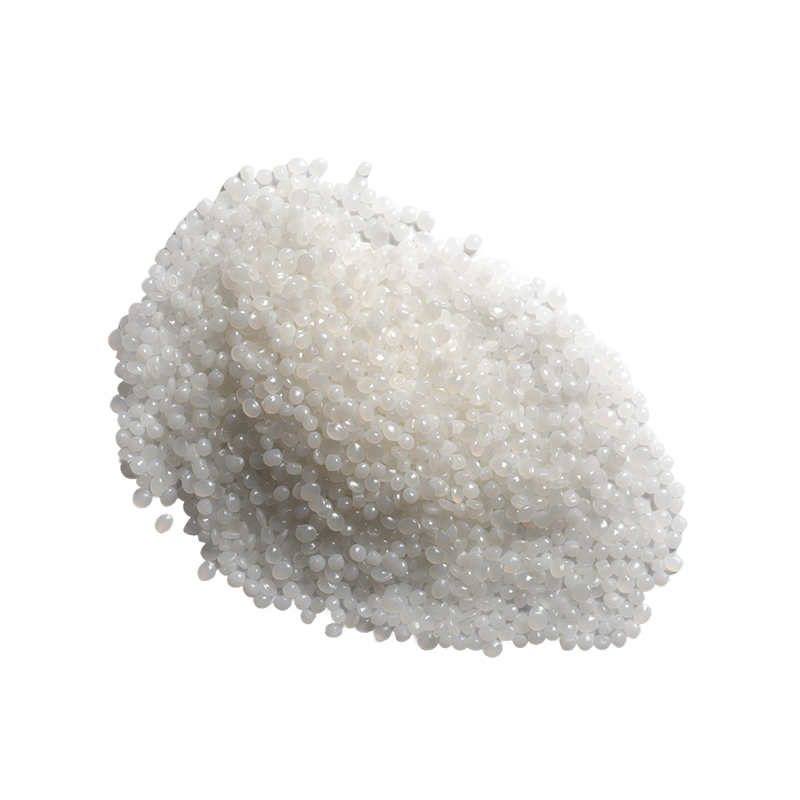
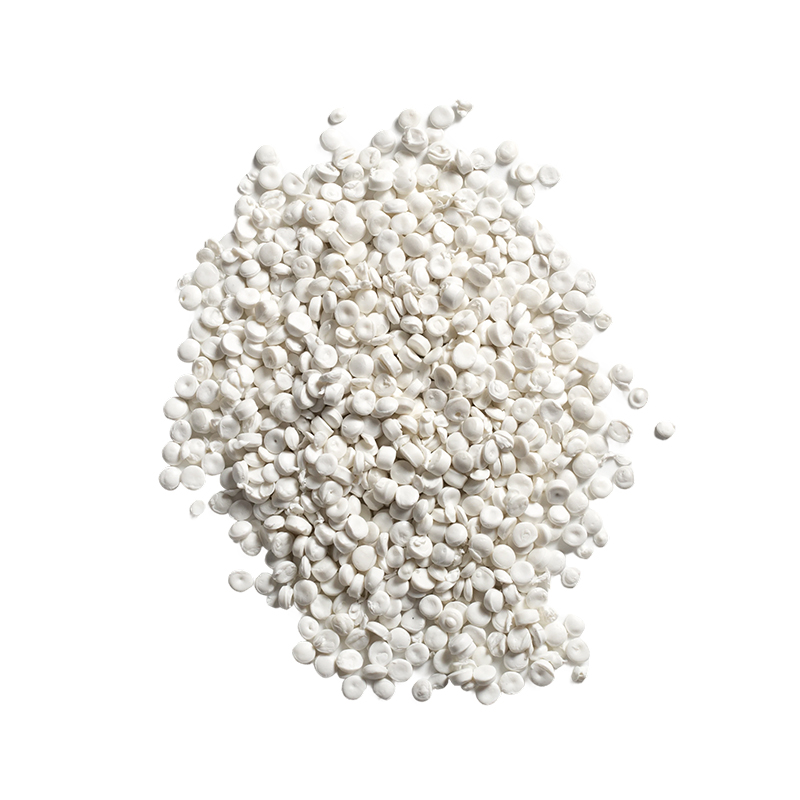
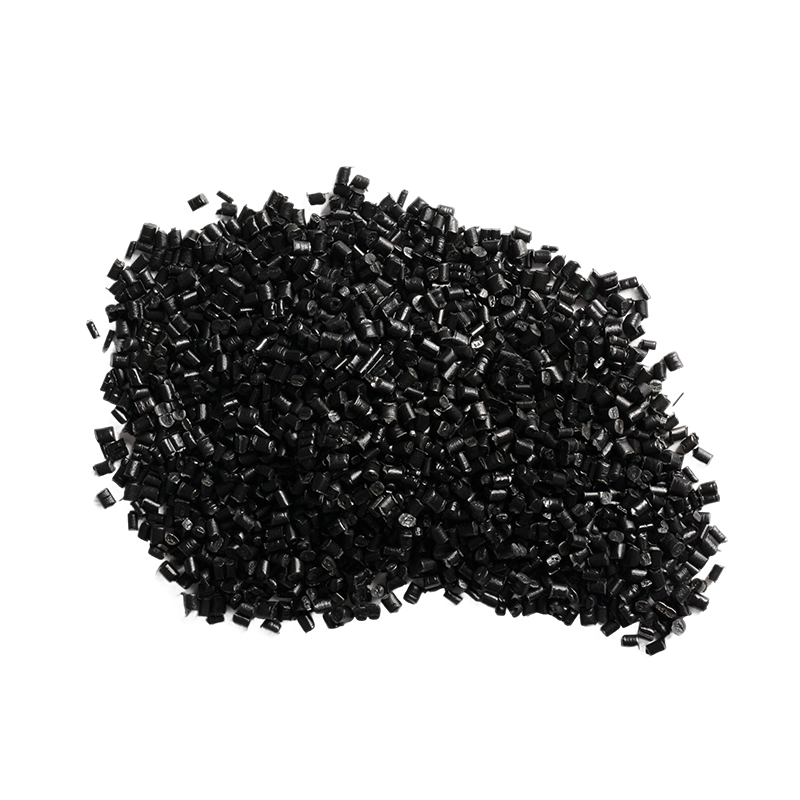
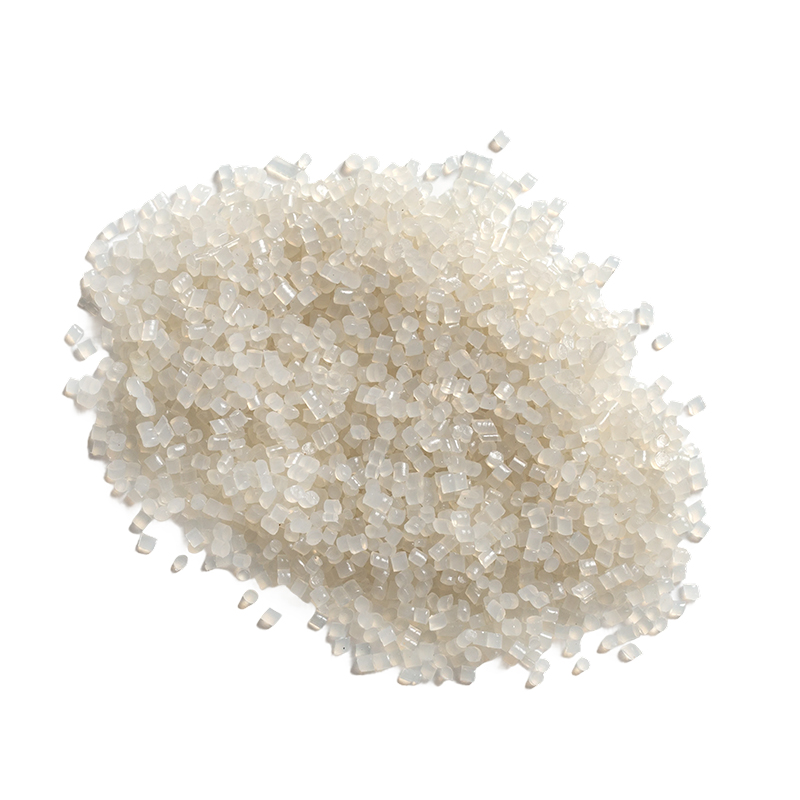
First, polyethylene itself possesses excellent chemical inertness. Whether virgin or recycled, the PE molecular chain is composed of carbon and hydrogen elements, lacking active groups easily attacked by corrosive media. This means it exhibits extremely strong resistance to most acid, alkali, salt solutions, and even organic solvents—it will not rust, will not undergo electrochemical corrosion, and will not significantly degrade due to prolonged immersion. This inherent property lays the physicochemical foundation for the application of recycled PE in the chemical industry. The key breakthrough lies in the refinement of the recycling process. Modern high-quality PE recycled pellets are not simply melt-and-recycled products, but are built upon rigorous front-end sorting, deep cleaning, impurity removal, and stabilization modification. Through near-infrared spectroscopy sorting, flotation purification, and high-temperature devolatilization technologies, contaminants, residual additives, and mixed components from different types of plastics can be effectively removed, ensuring the high purity of the main components of the recycled material. More importantly, the addition of antioxidants, light stabilizers, and processing aids during the granulation process not only repairs some molecular chain damage but also significantly improves the long-term stability of the material under multiple aging factors such as heat, oxygen, and ultraviolet radiation—essential properties for chemical equipment operating outdoors or at high temperatures.
Furthermore, the inherent flexibility of PE recycled pellets makes them more adaptable to the deformation and stress of storage and transportation equipment. Compared to some rigid materials, polyethylene possesses excellent ductility and impact resistance, and is not easily brittle even at low temperatures. When storage tanks experience slight deformation due to temperature changes or minor foundation settlement, the PE material can buffer stress concentration through its own elasticity, preventing cracking and leakage. This "soft yet strong" characteristic, combined with its seamless welding process forming an integral structure, further enhances the equipment's sealing and durability.
Even more commendable is the mature processing adaptability of recycled PE, allowing it to seamlessly integrate into existing manufacturing systems. Whether it's rotationally molding large storage tanks or extruding corrosion-resistant pipes, high-quality recycled pellets maintain stable melt flow and thermal stability, ensuring uniform wall thickness, no bubbles, and no delamination in the finished products. Many downstream manufacturers report that, with proper formulation and process control, chemical containers produced using recycled materials perform almost identically to virgin material products in actual service, while significantly reducing raw material costs and carbon footprint.
Of course, this doesn't mean all recycled materials are suitable for demanding operating conditions. PE recycled pellets truly suitable for chemical storage and transportation must originate from a closed-loop recycling system or a certified high-quality recycled supply chain, and undergo rigorous performance verification. However, it is precisely this "high-standard recycling" path that ensures environmental protection and performance are no longer mutually exclusive.
Ultimately, the reason why recycled PE pellets have gained a foothold in highly corrosive environments is not due to compromise, but rather the result of technological upgrades and systematic management. It proves that recycling is not about downgrading, but about using scientific methods to give waste resources a new lease on life and enable them to play a crucial role in key areas. When a storage tank made of recycled PE stands quietly in a chemical plant, silently resisting the corrosive effects of strong acids and alkalis, it carries not only liquids, but also a possibility for a sustainable future—one that is both safe and green.
First, polyethylene itself possesses excellent chemical inertness. Whether virgin or recycled, the PE molecular chain is composed of carbon and hydrogen elements, lacking active groups easily attacked by corrosive media. This means it exhibits extremely strong resistance to most acid, alkali, salt solutions, and even organic solvents—it will not rust, will not undergo electrochemical corrosion, and will not significantly degrade due to prolonged immersion. This inherent property lays the physicochemical foundation for the application of recycled PE in the chemical industry. The key breakthrough lies in the refinement of the recycling process. Modern high-quality PE recycled pellets are not simply melt-and-recycled products, but are built upon rigorous front-end sorting, deep cleaning, impurity removal, and stabilization modification. Through near-infrared spectroscopy sorting, flotation purification, and high-temperature devolatilization technologies, contaminants, residual additives, and mixed components from different types of plastics can be effectively removed, ensuring the high purity of the main components of the recycled material. More importantly, the addition of antioxidants, light stabilizers, and processing aids during the granulation process not only repairs some molecular chain damage but also significantly improves the long-term stability of the material under multiple aging factors such as heat, oxygen, and ultraviolet radiation—essential properties for chemical equipment operating outdoors or at high temperatures.
Furthermore, the inherent flexibility of PE recycled pellets makes them more adaptable to the deformation and stress of storage and transportation equipment. Compared to some rigid materials, polyethylene possesses excellent ductility and impact resistance, and is not easily brittle even at low temperatures. When storage tanks experience slight deformation due to temperature changes or minor foundation settlement, the PE material can buffer stress concentration through its own elasticity, preventing cracking and leakage. This "soft yet strong" characteristic, combined with its seamless welding process forming an integral structure, further enhances the equipment's sealing and durability.
Even more commendable is the mature processing adaptability of recycled PE, allowing it to seamlessly integrate into existing manufacturing systems. Whether it's rotationally molding large storage tanks or extruding corrosion-resistant pipes, high-quality recycled pellets maintain stable melt flow and thermal stability, ensuring uniform wall thickness, no bubbles, and no delamination in the finished products. Many downstream manufacturers report that, with proper formulation and process control, chemical containers produced using recycled materials perform almost identically to virgin material products in actual service, while significantly reducing raw material costs and carbon footprint.
Of course, this doesn't mean all recycled materials are suitable for demanding operating conditions. PE recycled pellets truly suitable for chemical storage and transportation must originate from a closed-loop recycling system or a certified high-quality recycled supply chain, and undergo rigorous performance verification. However, it is precisely this "high-standard recycling" path that ensures environmental protection and performance are no longer mutually exclusive.
Ultimately, the reason why recycled PE pellets have gained a foothold in highly corrosive environments is not due to compromise, but rather the result of technological upgrades and systematic management. It proves that recycling is not about downgrading, but about using scientific methods to give waste resources a new lease on life and enable them to play a crucial role in key areas. When a storage tank made of recycled PE stands quietly in a chemical plant, silently resisting the corrosive effects of strong acids and alkalis, it carries not only liquids, but also a possibility for a sustainable future—one that is both safe and green.