


Can PP recycled pellets become the ideal raw material for the efficient and green transformation of plastics processing?
Release Time : 2025-11-17
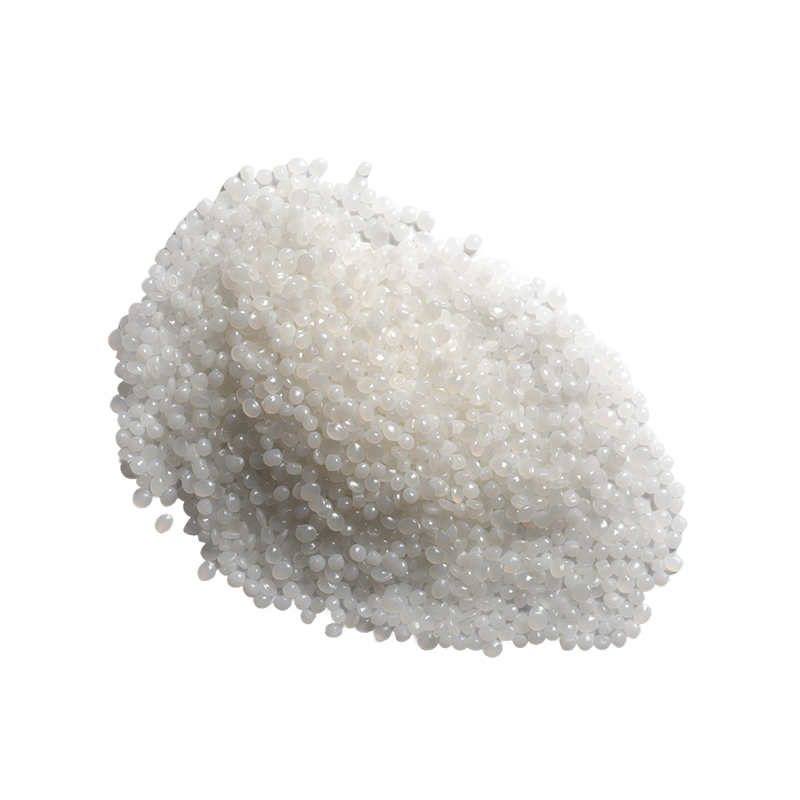
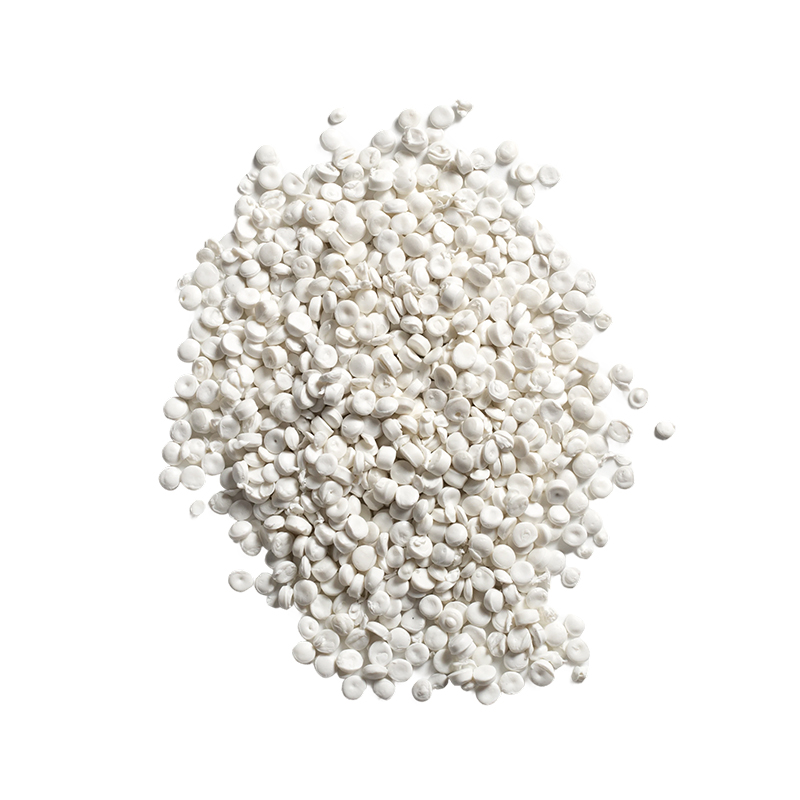
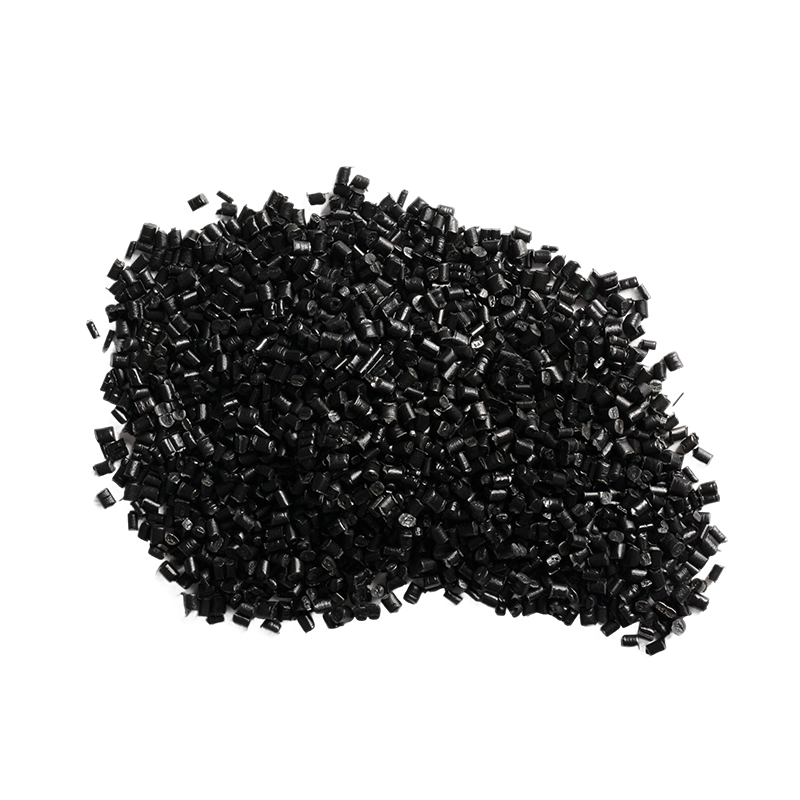
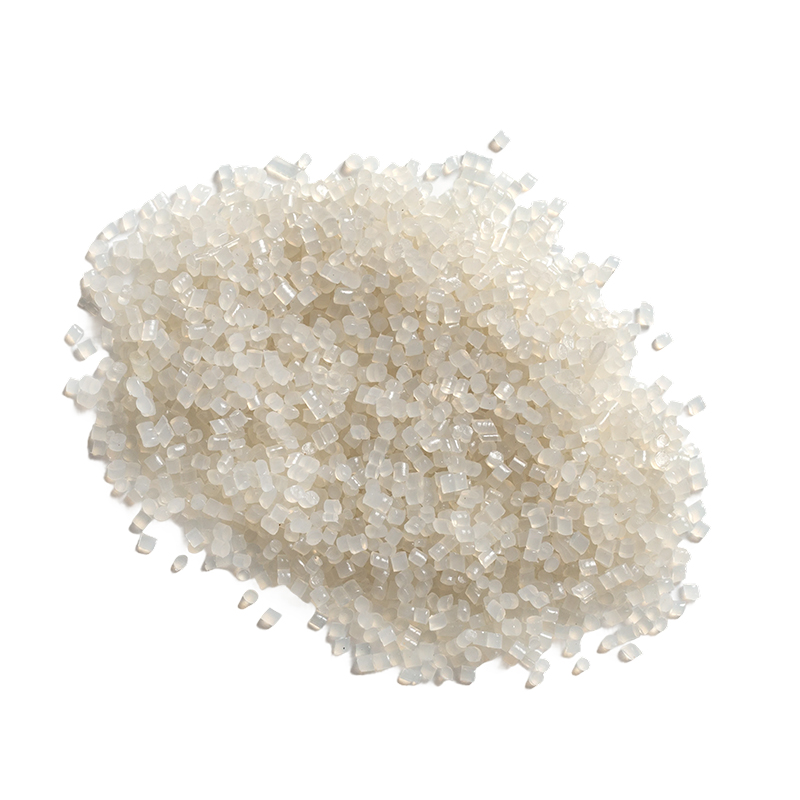
Driven by the "dual carbon" goals and circular economy policies, sustainable development in the plastics industry has shifted from an option to a necessity. PP recycled pellets—high-quality recycled raw materials made from recycled polypropylene (such as packaging film, appliance casings, and automotive parts) through sorting, cleaning, and melt granulation—are becoming an important alternative to virgin materials in molding processes such as injection molding, extrusion, and blow molding due to their excellent processing performance, stable physical properties, and significant environmental value. Although originating from waste plastics, they are given new life through advanced recycling technology, injecting green momentum into the manufacturing industry while ensuring production efficiency.
The core advantages of PP recycled pellets are primarily reflected in their superior processing adaptability and molding efficiency. Thanks to optimized melt flow rates (MFR typically controlled at 10–30 g/10min), the pellets exhibit good fluidity and thermal stability in injection molding machines, extruders, or blow molding equipment, resulting in rapid mold filling, low pressure loss, and significantly shortened molding cycles. Whether it's high-speed injection molding of thin-walled food containers, continuous extrusion of pipes, or blow molding of hollow containers, recycled PP can achieve a process window similar to virgin materials, requiring no significant adjustments to equipment parameters and reducing production line changeover costs. Some high-end recycled pellets even further enhance melt strength and dimensional stability by adding compatibilizers and stabilizers, meeting the requirements of precision products.
In terms of physical properties, high-quality PP recycled pellets exhibit reliable mechanical performance and consistency. Through rigorous sorting and deep purification processes, impurities, moisture, and dissimilar plastics are effectively removed, ensuring that the material's tensile strength, impact toughness, and flexural modulus meet industrial application standards. It is particularly suitable for products that do not require high transparency but need good rigidity and chemical resistance, such as turnover boxes, pallets, trash cans, pipe fittings, automotive interior parts, and gardening supplies. Some reinforced and modified recycled PP can also be used in structural components, expanding its high-value applications.
The dual drivers of economic and environmental benefits make it widely favored. Compared to virgin PP, recycled pellets are more competitively priced, significantly reducing raw material costs in bulk product manufacturing. More importantly, using 1 ton of recycled PP can reduce CO2 emissions by approximately 1.8 tons and save approximately 1.5 tons of petroleum resources, helping companies achieve ESG goals and meet the recycling content requirements of brand customers (such as Apple, IKEA, and Walmart's supply chain standards). With the advancement of global plastic bans and Extended Producer Responsibility (EPR) regulations, adopting recycled materials has become a key measure for corporate compliance and enhancing brand image.
Technological advancements are constantly pushing the boundaries of recycled material applications. Advanced sorting technologies (such as near-infrared spectroscopy + AI recognition) enable high-purity recycling of PP waste; devolatilization and filtration systems effectively remove odors and micro-pollutants; functional modifications (such as UV resistance, flame retardancy, and toughening) make recycled PP suitable for outdoor or safety-sensitive applications. Some leading companies have launched food-contact grade PP recycled pellets (compliant with FDA or EU 10/2011 certification) for non-direct contact packaging, opening a new chapter in high-value recycling.
Furthermore, PP recycled pellets support seamless integration with existing plastic processing systems. Its particle shape, bulk density, and drying requirements are highly compatible with virgin materials, eliminating the need for equipment modifications or complex pretreatment processes, significantly lowering the barrier to green transformation. Standardized packaging and batch quality control systems also ensure long-term supply stability.
In summary, PP recycled pellets have transcended the old perception of being a "low-end alternative," becoming a strategic raw material that integrates circular economy concepts, advanced recycling technologies, and efficient processing performance. With its recycled form, it meets manufacturing needs; with its green approach, it drives industrial transformation; and with its stable quality, it wins market trust. When a storage box made of recycled PP is used for a long time in a household, it represents a vivid practice of resource closure and low-carbon production—this seemingly ordinary recycled pellet is actually a key fulcrum for the plastics industry towards a sustainable future.
The core advantages of PP recycled pellets are primarily reflected in their superior processing adaptability and molding efficiency. Thanks to optimized melt flow rates (MFR typically controlled at 10–30 g/10min), the pellets exhibit good fluidity and thermal stability in injection molding machines, extruders, or blow molding equipment, resulting in rapid mold filling, low pressure loss, and significantly shortened molding cycles. Whether it's high-speed injection molding of thin-walled food containers, continuous extrusion of pipes, or blow molding of hollow containers, recycled PP can achieve a process window similar to virgin materials, requiring no significant adjustments to equipment parameters and reducing production line changeover costs. Some high-end recycled pellets even further enhance melt strength and dimensional stability by adding compatibilizers and stabilizers, meeting the requirements of precision products.
In terms of physical properties, high-quality PP recycled pellets exhibit reliable mechanical performance and consistency. Through rigorous sorting and deep purification processes, impurities, moisture, and dissimilar plastics are effectively removed, ensuring that the material's tensile strength, impact toughness, and flexural modulus meet industrial application standards. It is particularly suitable for products that do not require high transparency but need good rigidity and chemical resistance, such as turnover boxes, pallets, trash cans, pipe fittings, automotive interior parts, and gardening supplies. Some reinforced and modified recycled PP can also be used in structural components, expanding its high-value applications.
The dual drivers of economic and environmental benefits make it widely favored. Compared to virgin PP, recycled pellets are more competitively priced, significantly reducing raw material costs in bulk product manufacturing. More importantly, using 1 ton of recycled PP can reduce CO2 emissions by approximately 1.8 tons and save approximately 1.5 tons of petroleum resources, helping companies achieve ESG goals and meet the recycling content requirements of brand customers (such as Apple, IKEA, and Walmart's supply chain standards). With the advancement of global plastic bans and Extended Producer Responsibility (EPR) regulations, adopting recycled materials has become a key measure for corporate compliance and enhancing brand image.
Technological advancements are constantly pushing the boundaries of recycled material applications. Advanced sorting technologies (such as near-infrared spectroscopy + AI recognition) enable high-purity recycling of PP waste; devolatilization and filtration systems effectively remove odors and micro-pollutants; functional modifications (such as UV resistance, flame retardancy, and toughening) make recycled PP suitable for outdoor or safety-sensitive applications. Some leading companies have launched food-contact grade PP recycled pellets (compliant with FDA or EU 10/2011 certification) for non-direct contact packaging, opening a new chapter in high-value recycling.
Furthermore, PP recycled pellets support seamless integration with existing plastic processing systems. Its particle shape, bulk density, and drying requirements are highly compatible with virgin materials, eliminating the need for equipment modifications or complex pretreatment processes, significantly lowering the barrier to green transformation. Standardized packaging and batch quality control systems also ensure long-term supply stability.
In summary, PP recycled pellets have transcended the old perception of being a "low-end alternative," becoming a strategic raw material that integrates circular economy concepts, advanced recycling technologies, and efficient processing performance. With its recycled form, it meets manufacturing needs; with its green approach, it drives industrial transformation; and with its stable quality, it wins market trust. When a storage box made of recycled PP is used for a long time in a household, it represents a vivid practice of resource closure and low-carbon production—this seemingly ordinary recycled pellet is actually a key fulcrum for the plastics industry towards a sustainable future.