


How can impurity control processes improve finished product quality and processing stability of PE recycled pellets?
Release Time : 2026-06-09
With the rapid development of the plastics recycling industry, PE recycled pellets are widely used in blown film, injection molding, blow molding, pipe and packaging products due to their good economic and environmental value. However, compared with virgin PE materials, recycled plastics are prone to contamination with impurities such as dust, metal scraps, paper scraps, other plastic residues, and organic pollutants during recycling, transportation, and processing. These impurities not only affect the appearance quality of products but may also lead to instability in the processing, increased equipment wear, and decreased finished product performance.
1. Source Classification to Improve Raw Material Purity
Impurity control must begin at the raw material recycling stage. Waste PE materials from different sources vary significantly in composition and contamination levels. Mixing them for recycling increases the difficulty of subsequent processing. Therefore, companies typically classify and sort them according to material type, color, intended use, and contamination level. For example, processing packaging film, industrial scraps, and household plastic products separately can effectively reduce the contamination of different plastics and impurities, improve the overall purity of the raw materials, and lay a good foundation for subsequent production.
2. Enhanced Cleaning Processes to Remove Surface Contaminants
Recycled plastics often have oil, sand, label residue, and other contaminants adhering to their surfaces. If these impurities are not effectively removed, they will directly affect the quality of the recycled pellets. Therefore, modern PE recycled pellet production typically employs a multi-stage cleaning process, including pre-cleaning, friction cleaning, and rinsing. Thoroughly removing adhering contaminants not only improves pellet cleanliness but also reduces quality issues such as odors and black spots during processing, improving the final product's appearance.
3. Multi-Stage Filtration to Improve Melt Purity
In the plastic melting and granulation process, the filtration system is a crucial step in controlling impurities. The molten PE material passes through multiple layers of filters or continuous screen-changing devices to effectively intercept unmelted impurities, fine particles, and foreign matter. For high-quality recycled pellet production, precision filtration equipment is also used to improve filtration accuracy. Multi-stage filtration significantly reduces the impurity content in the pellets, lowering the probability of mold clogging, material breakage, and surface defects during subsequent processing.
4. Metal Separation to Ensure Stable Equipment Operation
Metal impurities are a key area that needs to be controlled during recycled plastic processing. If metal particles enter the extruder or injection molding equipment, they can damage the screw and mold, and may even lead to serious product quality defects. Therefore, production lines are typically equipped with magnetic separators and metal detection equipment to comprehensively remove metal impurities from raw materials and during processing. Effective metal control measures protect production equipment and improve production continuity and processing stability.
5. Controlling Dissimilar Plastics to Improve Performance Consistency
If PP, PET, PVC, or other plastic materials are mixed into PE recycled pellets, it will affect the consistency of melt performance and mechanical properties. Especially during blown film and injection molding processes, dissimilar plastics can easily cause flowability fluctuations, product brittleness, or surface defects. Therefore, modern manufacturers use optical sorting, density separation, and manual fine sorting to improve the purity of PE materials and ensure that recycled pellets have stable processing performance and product quality.
6. Enhancing Processing Stability and Product Quality
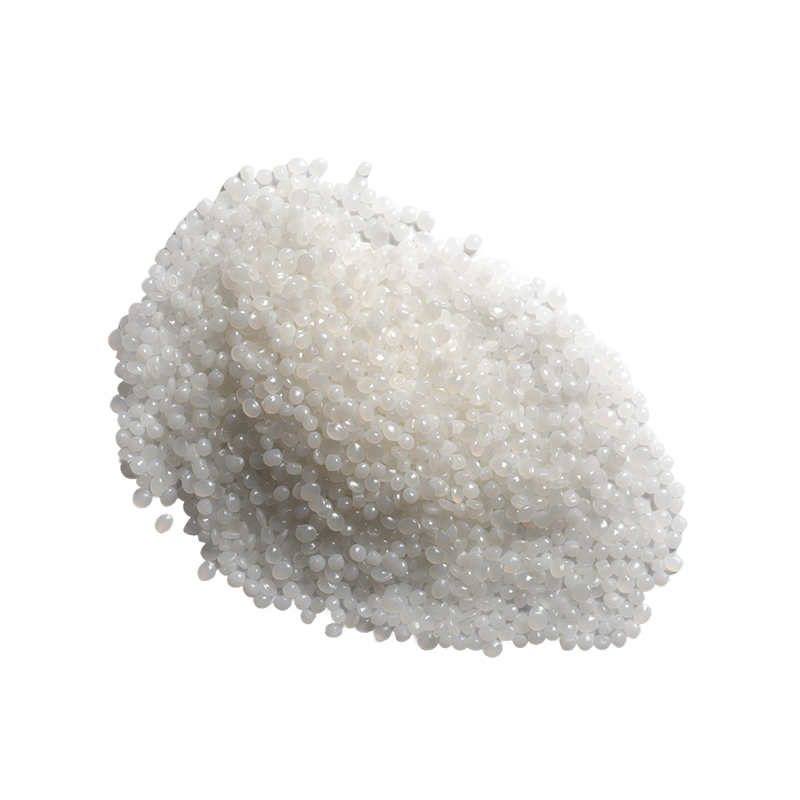
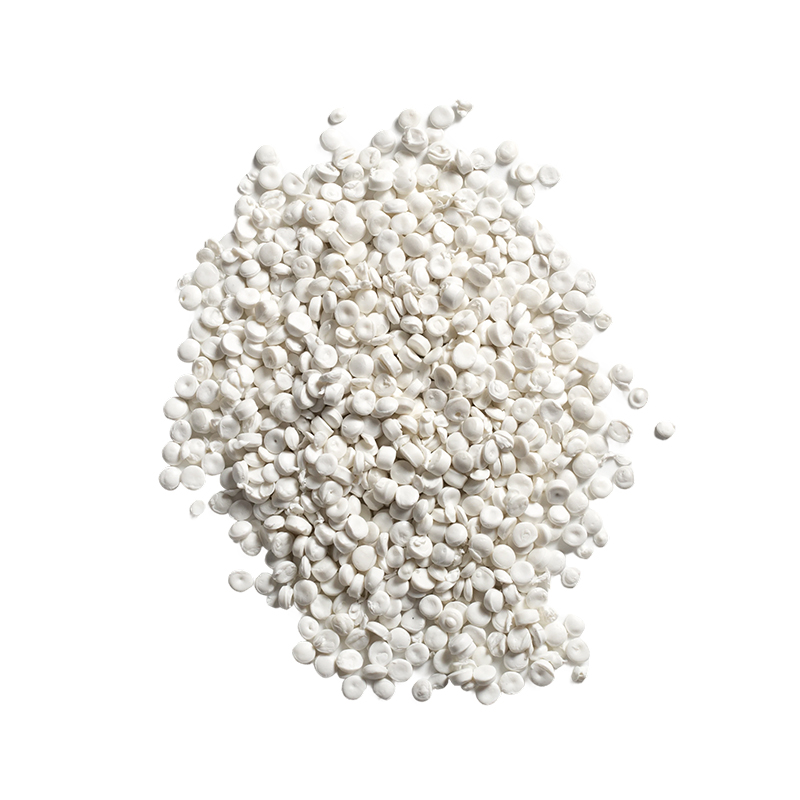
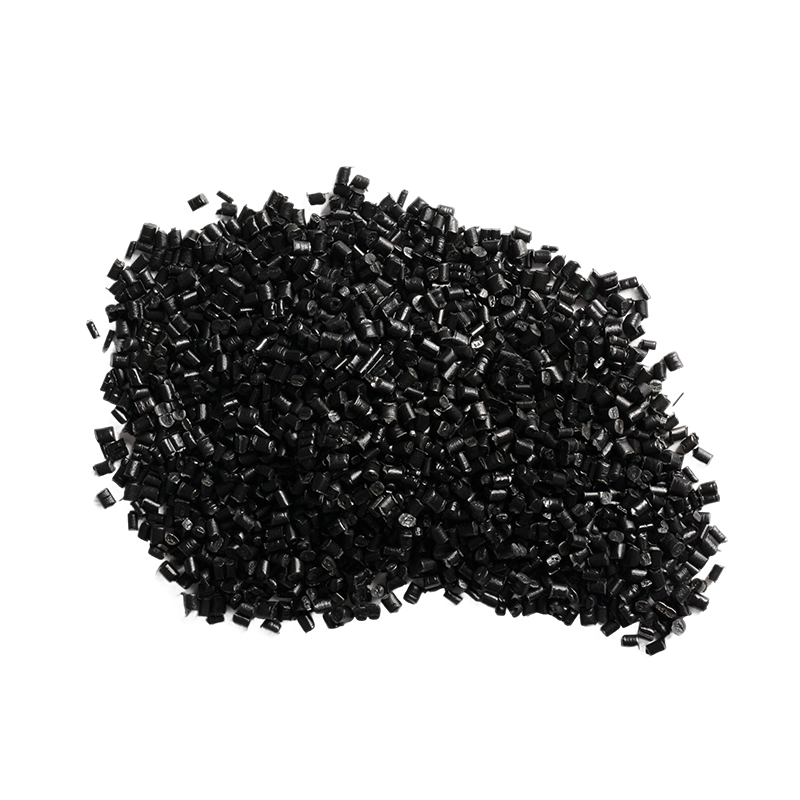
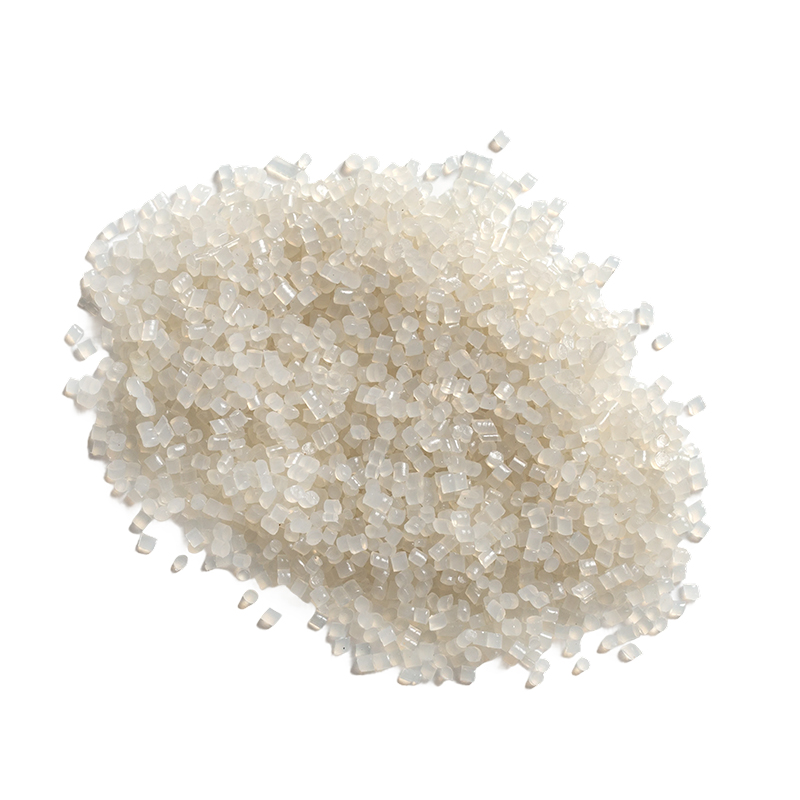
PE recycled pellets treated with a comprehensive impurity control process have higher particle uniformity and more stable melt flow performance. In actual production, this can reduce the number of equipment downtimes for cleaning, reduce the risk of mold blockage, and improve production efficiency. Meanwhile, the finished product has a smoother surface and more balanced mechanical properties, meeting the production demands of more high-quality products. For enterprises, this not only increases product added value but also enhances market competitiveness.
In summary, PE recycled pellets, through impurity management processes such as source sorting, enhanced cleaning, multi-stage filtration, metal separation, and dissimilar plastic control, can effectively improve material purity and quality stability. Good impurity control not only helps improve the appearance and mechanical properties of the finished product but also enhances the continuity and reliability of the processing.
1. Source Classification to Improve Raw Material Purity
Impurity control must begin at the raw material recycling stage. Waste PE materials from different sources vary significantly in composition and contamination levels. Mixing them for recycling increases the difficulty of subsequent processing. Therefore, companies typically classify and sort them according to material type, color, intended use, and contamination level. For example, processing packaging film, industrial scraps, and household plastic products separately can effectively reduce the contamination of different plastics and impurities, improve the overall purity of the raw materials, and lay a good foundation for subsequent production.
2. Enhanced Cleaning Processes to Remove Surface Contaminants
Recycled plastics often have oil, sand, label residue, and other contaminants adhering to their surfaces. If these impurities are not effectively removed, they will directly affect the quality of the recycled pellets. Therefore, modern PE recycled pellet production typically employs a multi-stage cleaning process, including pre-cleaning, friction cleaning, and rinsing. Thoroughly removing adhering contaminants not only improves pellet cleanliness but also reduces quality issues such as odors and black spots during processing, improving the final product's appearance.
3. Multi-Stage Filtration to Improve Melt Purity
In the plastic melting and granulation process, the filtration system is a crucial step in controlling impurities. The molten PE material passes through multiple layers of filters or continuous screen-changing devices to effectively intercept unmelted impurities, fine particles, and foreign matter. For high-quality recycled pellet production, precision filtration equipment is also used to improve filtration accuracy. Multi-stage filtration significantly reduces the impurity content in the pellets, lowering the probability of mold clogging, material breakage, and surface defects during subsequent processing.
4. Metal Separation to Ensure Stable Equipment Operation
Metal impurities are a key area that needs to be controlled during recycled plastic processing. If metal particles enter the extruder or injection molding equipment, they can damage the screw and mold, and may even lead to serious product quality defects. Therefore, production lines are typically equipped with magnetic separators and metal detection equipment to comprehensively remove metal impurities from raw materials and during processing. Effective metal control measures protect production equipment and improve production continuity and processing stability.
5. Controlling Dissimilar Plastics to Improve Performance Consistency
If PP, PET, PVC, or other plastic materials are mixed into PE recycled pellets, it will affect the consistency of melt performance and mechanical properties. Especially during blown film and injection molding processes, dissimilar plastics can easily cause flowability fluctuations, product brittleness, or surface defects. Therefore, modern manufacturers use optical sorting, density separation, and manual fine sorting to improve the purity of PE materials and ensure that recycled pellets have stable processing performance and product quality.
6. Enhancing Processing Stability and Product Quality
PE recycled pellets treated with a comprehensive impurity control process have higher particle uniformity and more stable melt flow performance. In actual production, this can reduce the number of equipment downtimes for cleaning, reduce the risk of mold blockage, and improve production efficiency. Meanwhile, the finished product has a smoother surface and more balanced mechanical properties, meeting the production demands of more high-quality products. For enterprises, this not only increases product added value but also enhances market competitiveness.
In summary, PE recycled pellets, through impurity management processes such as source sorting, enhanced cleaning, multi-stage filtration, metal separation, and dissimilar plastic control, can effectively improve material purity and quality stability. Good impurity control not only helps improve the appearance and mechanical properties of the finished product but also enhances the continuity and reliability of the processing.