


How to Enhance the Flexibility and Prevent Brittleness of Cling Film Recycled Pellets in Low-Temperature Environments?
Release Time : 2026-05-26
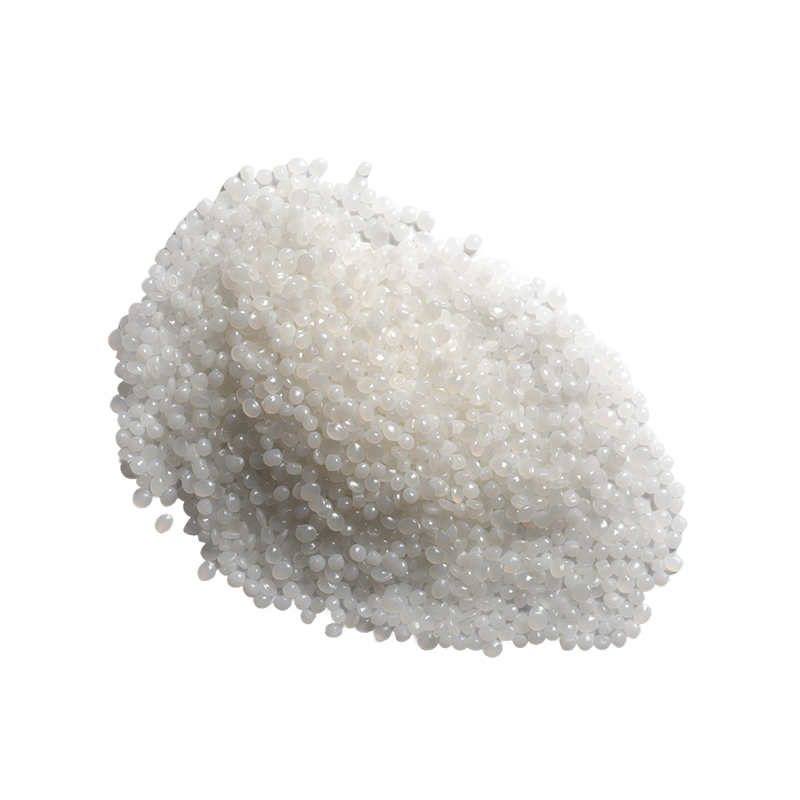
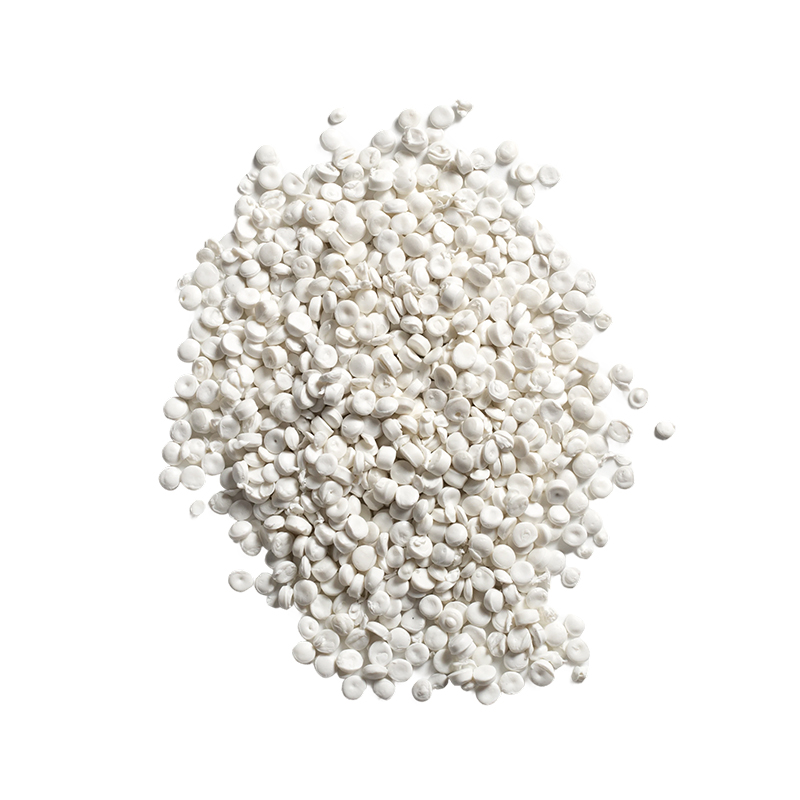
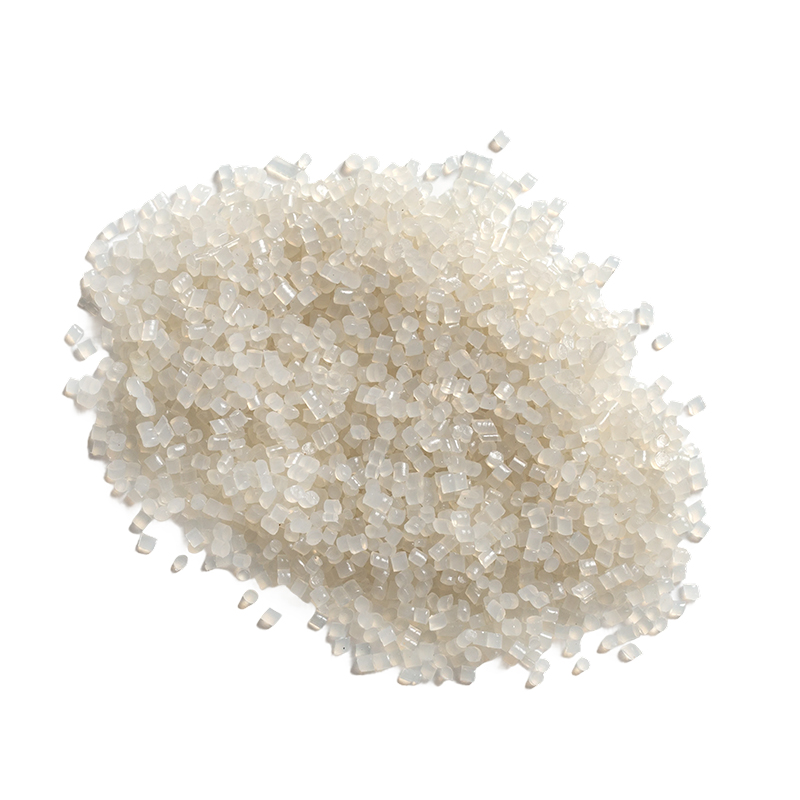
In the packaging materials and plastic products industry, cling film recycled pellets are widely used in blown films, garbage bags, shopping bags, and other products due to their resource recycling advantages. However, recycled materials, having undergone one or more heat processing cycles, may experience some degree of breakage or rearrangement in their molecular chain structure, making them more susceptible to problems such as increased rigidity, decreased flexibility, and even brittleness in low-temperature environments.
1. Optimize the Formulation System to Improve Molecular Chain Flexibility
One of the core reasons for the performance degradation of recycled cling film granules in low-temperature environments is the reduced mobility of the material's molecular chains. Therefore, appropriately introducing toughening modifiers or elastomer blends into the recycled system can effectively improve the flexibility of the molecular chains. For example, adding a certain proportion of elastomer phase structure to the polyethylene matrix can form a "soft and hard" microstructure, allowing the material to absorb energy through elastic deformation under stress, thereby reducing the risk of brittleness. Meanwhile, controlling the blending ratio to improve low-temperature toughness while maintaining strength is a key means of enhancing overall performance.
2. Improving Crystalline Structure to Reduce Low-Temperature Rigidity
The brittle fracture behavior of plastic materials at low temperatures is closely related to their crystallinity and crystal structure. Excessively large or unevenly distributed crystalline regions lead to increased material rigidity, thus reducing impact resistance. Therefore, during recycled granulation, adjusting the cooling rate and processing temperature can effectively control the crystal morphology, resulting in a finer and more uniform crystal structure. Furthermore, using appropriate processing aids can interfere with excessive crystal growth, thereby reducing material rigidity at low temperatures and improving overall flexibility.
3. Optimizing Processing Technology to Improve Dispersion Uniformity
A common problem with recycled materials is component inhomogeneity, which leads to significant performance differences in local areas and makes stress concentration points more likely to form at low temperatures. Therefore, during granulation and reprocessing, it is necessary to enhance melt mixing to ensure sufficient dispersion of polymers from different sources. By improving extruder shear efficiency or optimizing screw structure, toughening components can be more uniformly integrated with the matrix material, thereby reducing the formation of weak areas and lowering the probability of low-temperature brittle fracture.
4. Enhancing Molecular Chain Stability to Delay Aging Effects
Low-temperature brittleness is related not only to the instantaneous environment but also closely to the long-term aging state of the material. If recycled materials undergo oxidative degradation during processing or use, the molecular chain length will be further reduced, thus weakening toughness. Therefore, adding antioxidants or stabilizers during production can effectively delay the molecular chain breakage process and improve the long-term stability of the material. Simultaneously, properly controlling the processing temperature to avoid excessive thermal degradation is also a key measure to maintain the material's toughness.
In summary, preventing brittleness and improving the flexibility of cling film recycled pellets at low temperatures requires comprehensive improvements in multiple aspects, including formulation modification, crystal structure control, processing technology optimization, and enhancement of molecular chain stability. This systematic optimization not only improves the reliability of the material under low-temperature conditions but also further expands the application scope and value of recycled materials in the packaging field.
1. Optimize the Formulation System to Improve Molecular Chain Flexibility
One of the core reasons for the performance degradation of recycled cling film granules in low-temperature environments is the reduced mobility of the material's molecular chains. Therefore, appropriately introducing toughening modifiers or elastomer blends into the recycled system can effectively improve the flexibility of the molecular chains. For example, adding a certain proportion of elastomer phase structure to the polyethylene matrix can form a "soft and hard" microstructure, allowing the material to absorb energy through elastic deformation under stress, thereby reducing the risk of brittleness. Meanwhile, controlling the blending ratio to improve low-temperature toughness while maintaining strength is a key means of enhancing overall performance.
2. Improving Crystalline Structure to Reduce Low-Temperature Rigidity
The brittle fracture behavior of plastic materials at low temperatures is closely related to their crystallinity and crystal structure. Excessively large or unevenly distributed crystalline regions lead to increased material rigidity, thus reducing impact resistance. Therefore, during recycled granulation, adjusting the cooling rate and processing temperature can effectively control the crystal morphology, resulting in a finer and more uniform crystal structure. Furthermore, using appropriate processing aids can interfere with excessive crystal growth, thereby reducing material rigidity at low temperatures and improving overall flexibility.
3. Optimizing Processing Technology to Improve Dispersion Uniformity
A common problem with recycled materials is component inhomogeneity, which leads to significant performance differences in local areas and makes stress concentration points more likely to form at low temperatures. Therefore, during granulation and reprocessing, it is necessary to enhance melt mixing to ensure sufficient dispersion of polymers from different sources. By improving extruder shear efficiency or optimizing screw structure, toughening components can be more uniformly integrated with the matrix material, thereby reducing the formation of weak areas and lowering the probability of low-temperature brittle fracture.
4. Enhancing Molecular Chain Stability to Delay Aging Effects
Low-temperature brittleness is related not only to the instantaneous environment but also closely to the long-term aging state of the material. If recycled materials undergo oxidative degradation during processing or use, the molecular chain length will be further reduced, thus weakening toughness. Therefore, adding antioxidants or stabilizers during production can effectively delay the molecular chain breakage process and improve the long-term stability of the material. Simultaneously, properly controlling the processing temperature to avoid excessive thermal degradation is also a key measure to maintain the material's toughness.
In summary, preventing brittleness and improving the flexibility of cling film recycled pellets at low temperatures requires comprehensive improvements in multiple aspects, including formulation modification, crystal structure control, processing technology optimization, and enhancement of molecular chain stability. This systematic optimization not only improves the reliability of the material under low-temperature conditions but also further expands the application scope and value of recycled materials in the packaging field.